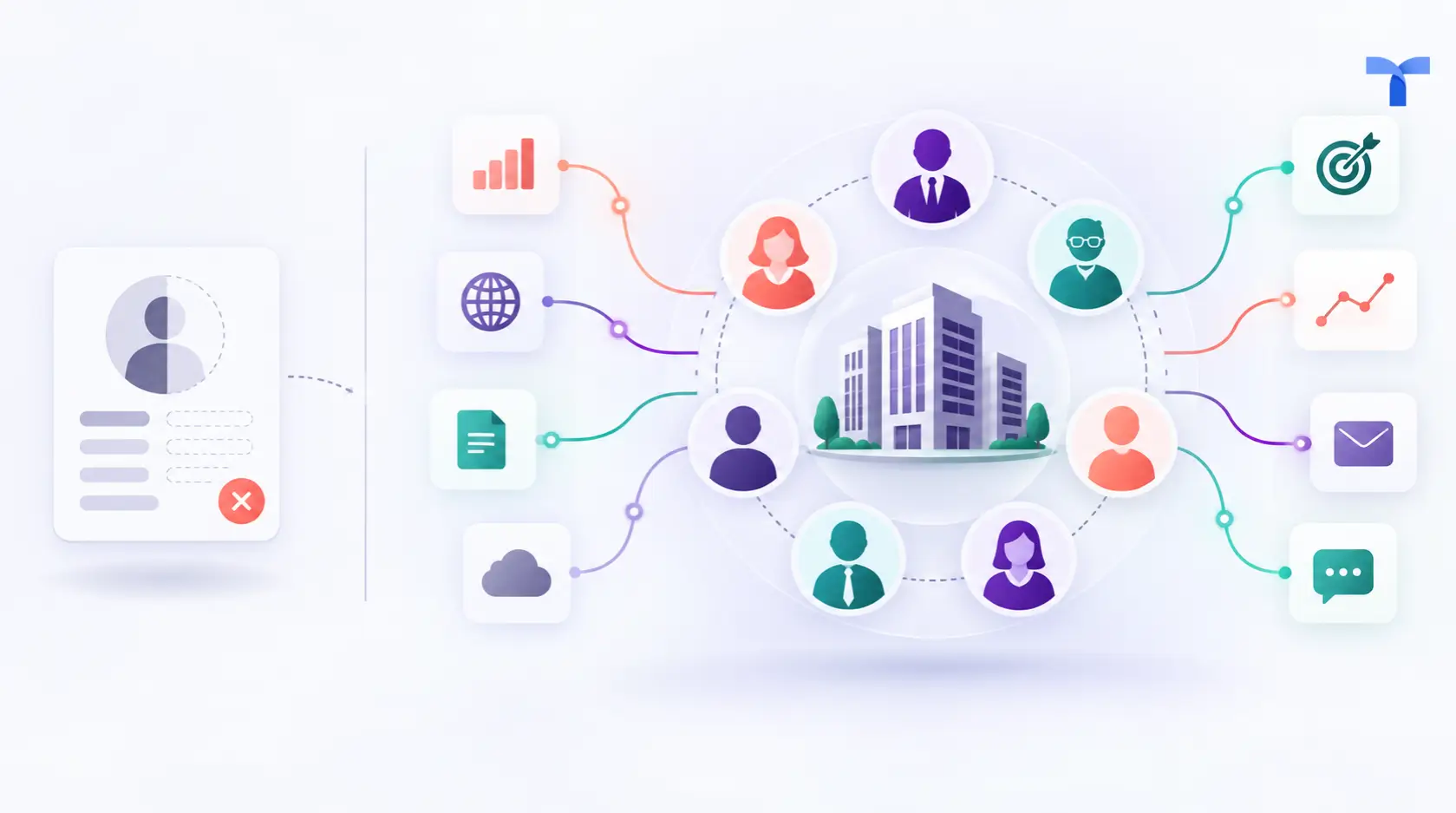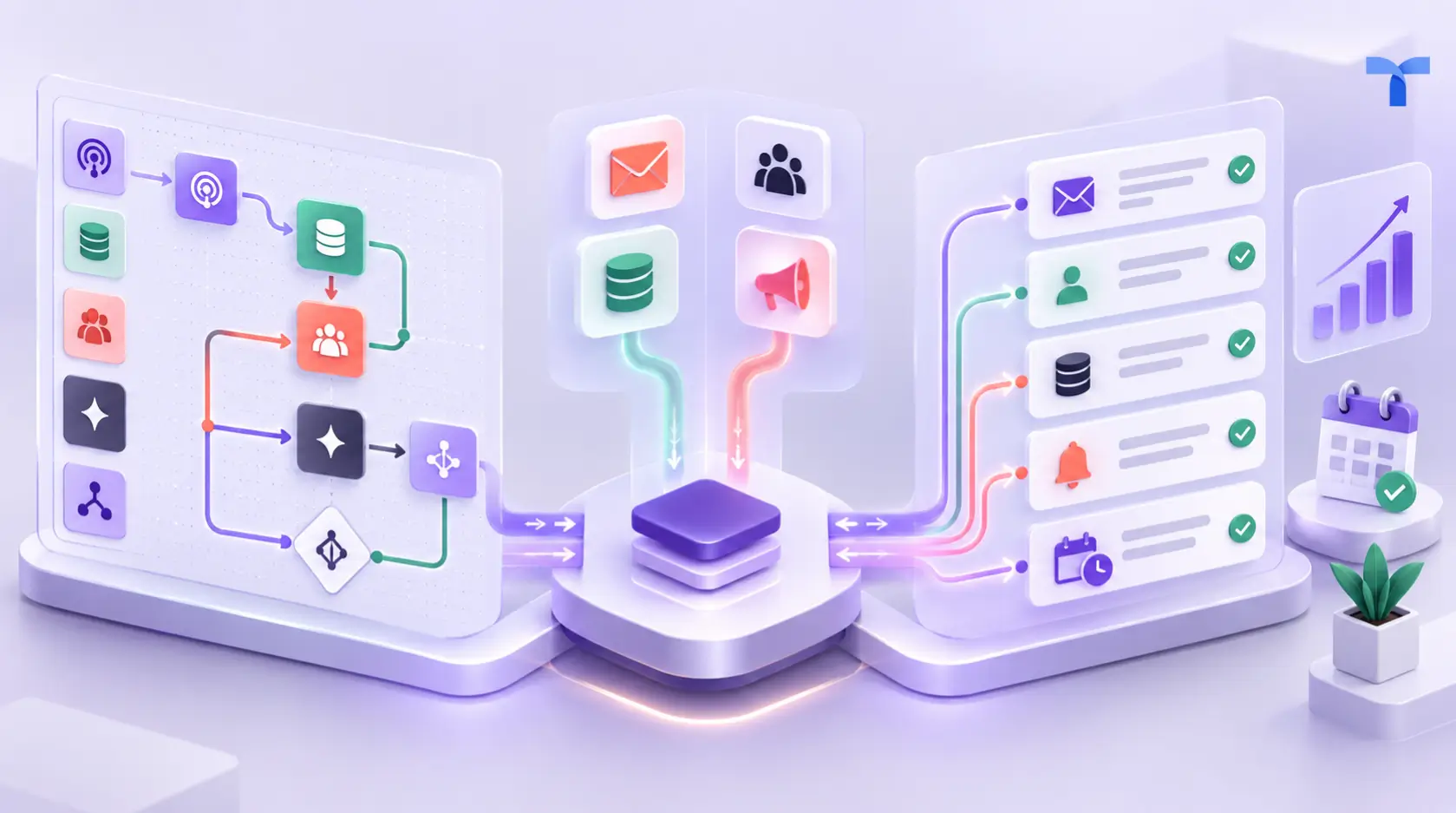
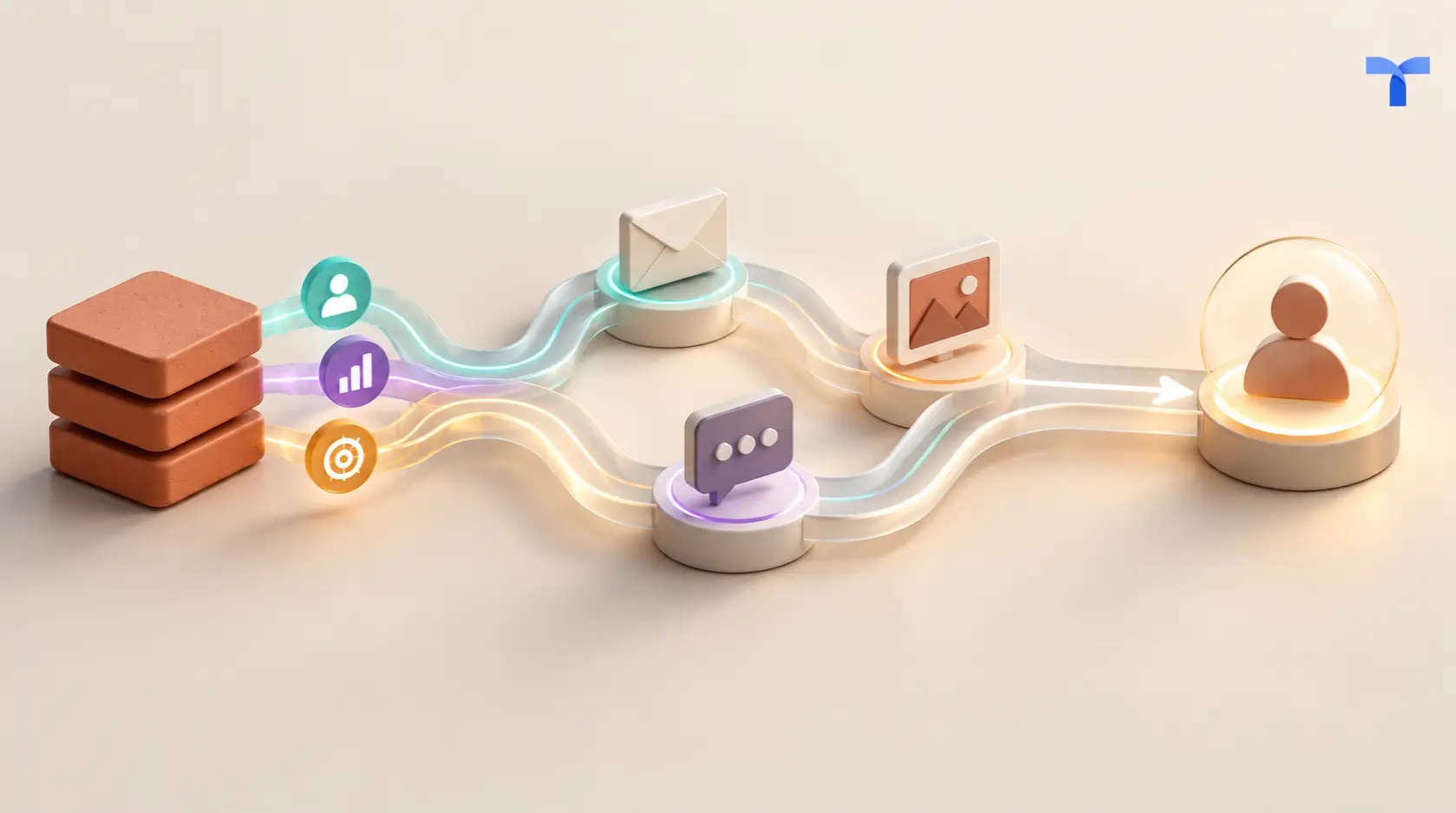
Clay is a great enrichment workbench in B2B. Most teams searching for Clay alternatives do not have an enrichment problem. They have an execution problem. The row is enriched, the signal has fired, and nothing coordinated happens next.
That gap costs more than it used to. Gartner's 2025 survey of 632 B2B buyers found that 73 percent actively avoid suppliers who send irrelevant outreach. On the seller side, Salesforce's State of Sales 2026 reports that 51 percent of sales leaders say disconnected systems slow their AI initiatives. Better data does not fix either number. Coordinated execution does.
At Tapistro, we evaluate Clay alternatives through one lens: what the platform does with a signal after it arrives. This guide compares seven platforms on built-in signal activation and multi-channel journey orchestration, so revenue operations teams can choose a system that turns data into execution.
Where Clay Stands in 2026
Clay is not the tool it was a year ago
Older comparison posts, including the earlier version of this one, argued against Clay on price. That argument has aged. In March 2026 Clay repriced, split its meter into Data Credits for enrichment and Actions for platform work, and cut marketplace data costs sharply. It also added Signals for job changes and intent events, dynamic Audiences, and a native Sequencer, which Clay rebuilt as Sequencer 2.0 in September 2026.
Clay is now a credible place to find accounts, enrich them and send email. Any fair comparison has to start there.
The gap is orchestration, not enrichment
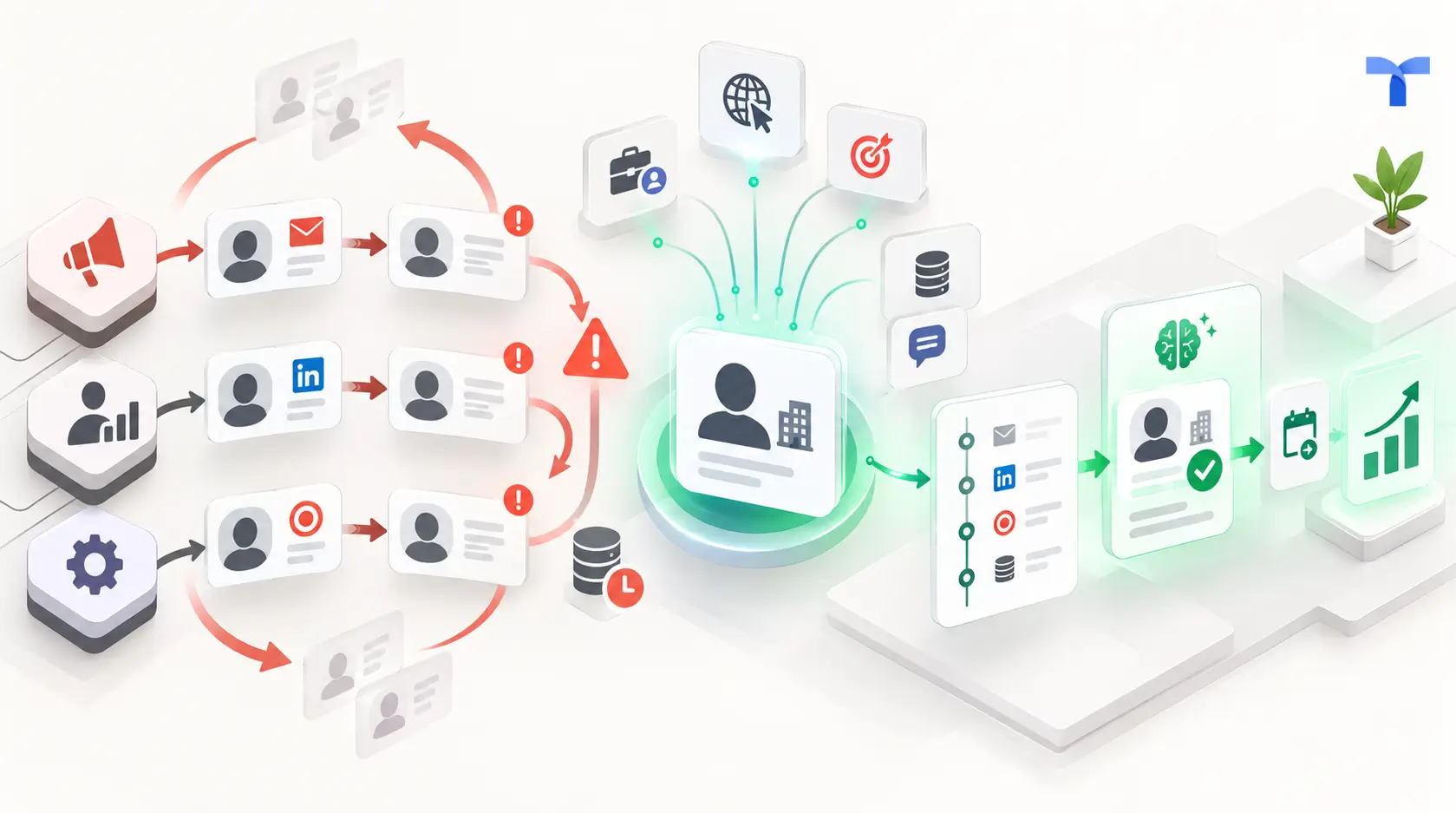
Clay's Sequencer runs email. LinkedIn touches, paid audiences, rep tasks and website experiences still sit in other tools, and someone has to wire them together. In practice that someone is a GTM engineer maintaining tables, webhooks and exclusion lists.
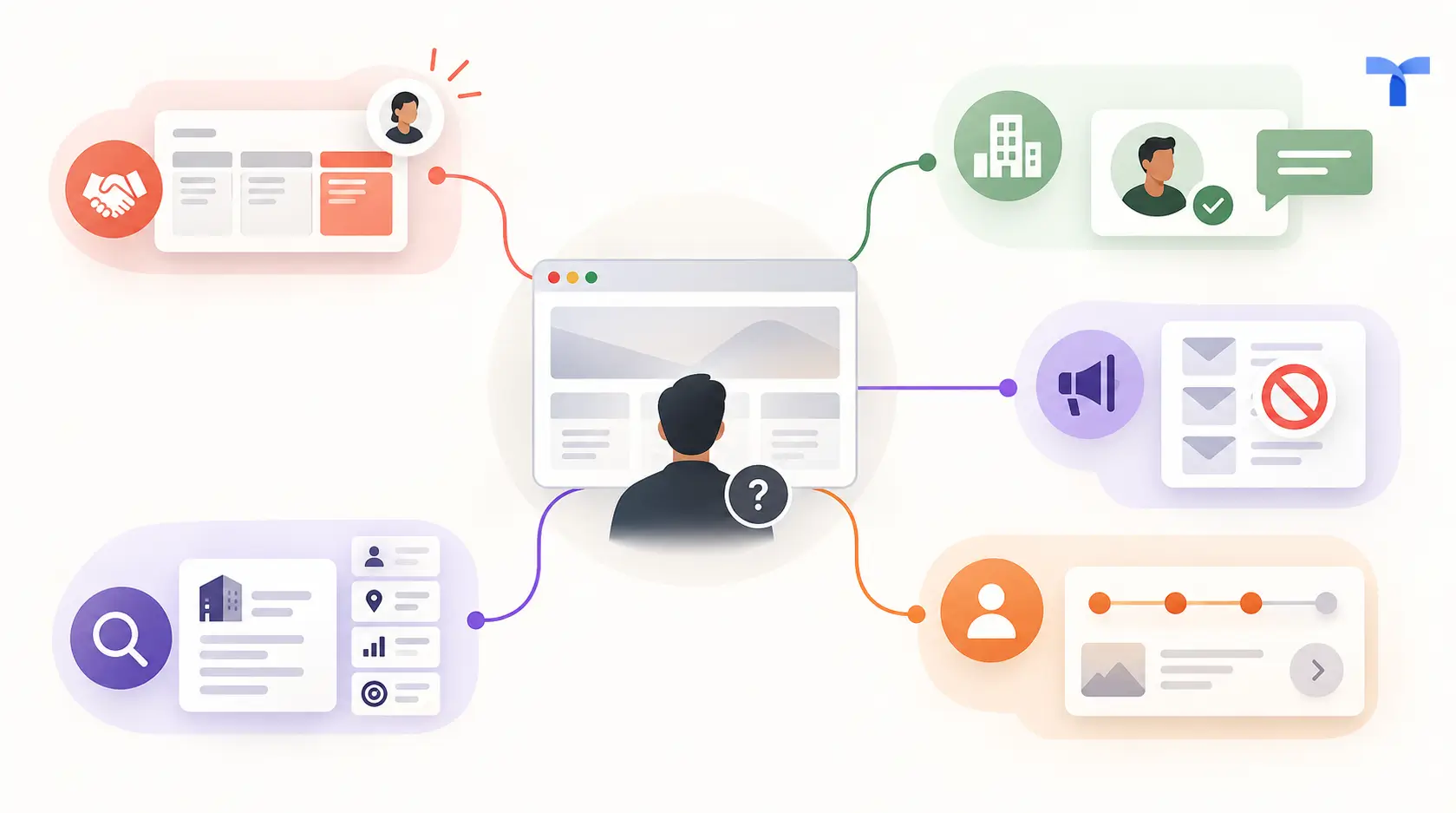
That works until the journey gets complex. A buyer who visits pricing, accepts a LinkedIn request and belongs to an account with an open opportunity needs one decision across every channel. A workbench produces the inputs to that decision. It does not own the journey that follows.
Who should stay on Clay
Teams with a dedicated GTM engineer, a research-heavy motion and an appetite for custom builds get real value from Clay. Waterfall enrichment across its provider marketplace is still unmatched for bespoke lists. The case for an alternative starts when the journey, not the list, becomes the bottleneck.
What Journey Orchestration Actually Requires
Every vendor in this category claims orchestration. Five capabilities separate the platforms that execute from the ones that alert.
Signal activation without a human relay
A signal should start an action. If a rep has to read a Slack alert, open a record and enroll a contact, the platform detected the signal and a person activated it. Built-in activation means the platform moves the account into the right journey on its own, within rules you set.
Account state before every touch
The platform needs to know whether an account is a customer, an open opportunity or already in a sequence before it sends anything. Our post on what should happen after one website visit walks through why the same visit demands five different responses.
Channels coordinated inside one journey
Email, LinkedIn, ads and rep tasks should run from one plan with shared timing. Separate sequences in separate tools produce collisions: the prospect gets a cold email the day after their account executive booked a call.
Branching on behaviour
A reply, a click, a second pricing visit or silence should each change the next step. Linear sequences with fixed delays are go-to-market automation. Branching journeys are orchestration.
Governance built in
Suppression rules, frequency caps and ownership logic stop a well-built journey from embarrassing the brand. Revenue operations teams should be able to set them once and have every journey inherit them.
The Best Clay Alternatives for Journey Orchestration
1. Tapistro
Best for: B2B revenue teams that want signals, enrichment and multi-channel journeys run from one agentic GTM platform.
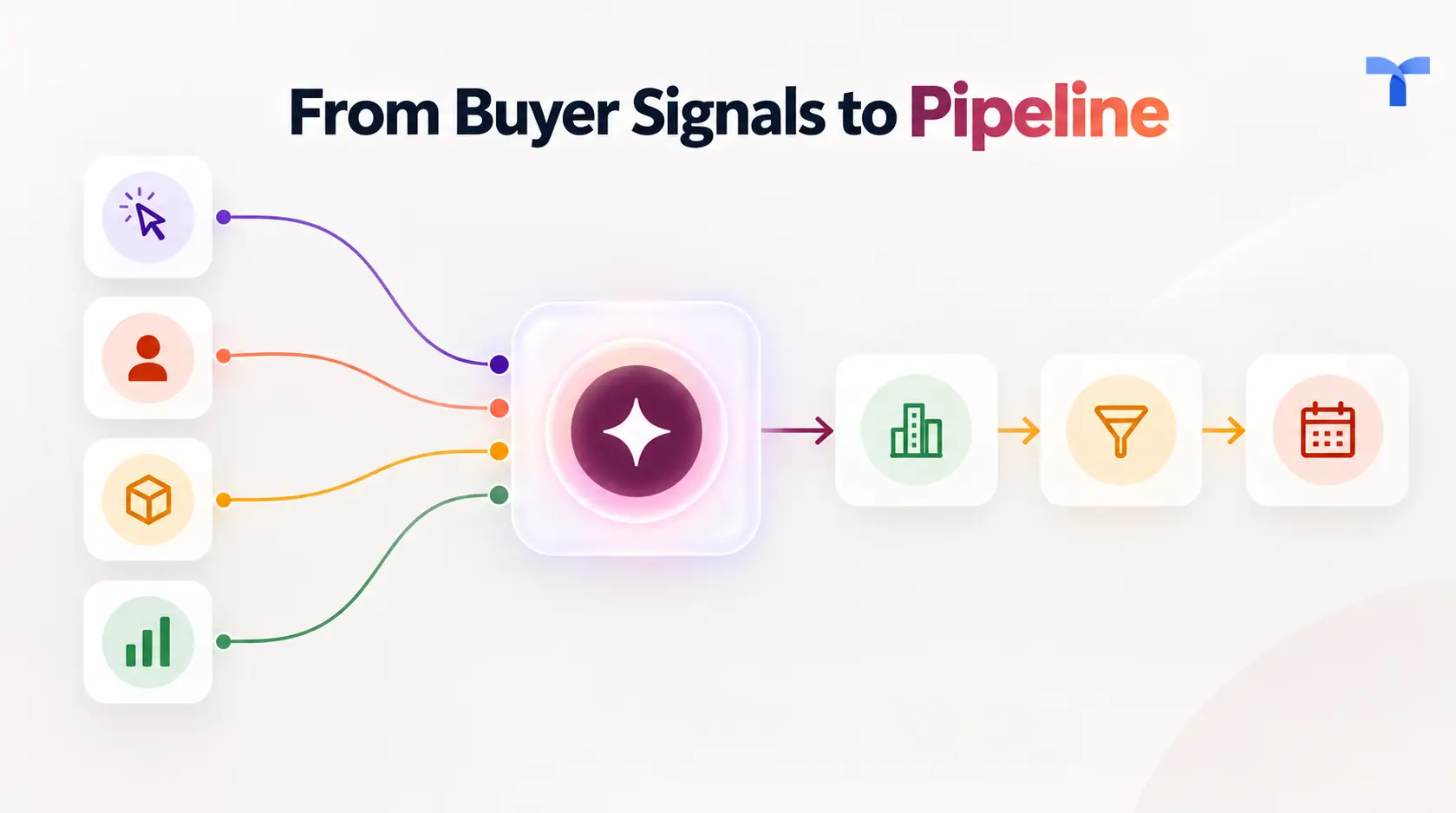
Tapistro starts where Clay's table ends. The platform ingests signals from sources including G2, LinkedIn and your website, resolves them to the account through Unified Accounts, and moves that account into a journey built in Journey Builder. AI Autopilots handle enrichment, buying group mapping and 1:1 content generation inside the same flow.
Every journey checks account state before it acts. Tapistro's Context Layer carries CRM status, prior touches and engagement history into each step, so an open opportunity routes to its owner instead of into cold outreach. Email, LinkedIn and rep tasks run from one journey, and each branch responds to buyer behaviour.
Data Connector pulls first-party and third-party data into the same account record, and ICP Search builds target lists inside the platform, so no table needs exporting before a journey can start. Tapistro syncs natively with Salesforce and HubSpot and connects to the rest of the stack through its integrations.
Tapistro is sales-led and implementation is guided. Teams that only need contact lookups will find more platform than they need. For a direct feature view, see Tapistro vs Clay.
2. Unify
Best for: Outbound-led sales teams that want signal-triggered sequences with managed deliverability.
Unify builds around Plays: workflows that fire on a signal and run enrichment, AI research and sequencing in order. Unify states it aggregates more than 25 signal sources, and its sequences combine email, calls, social touches and manual tasks. It also handles mailbox creation, warmup and rotation.
Its center of gravity is rep-driven outbound. Teams that need paid media and marketing channels inside the same journey will run those elsewhere.
3. Warmly
Best for: Teams with meaningful website traffic that want to act on visitors in real time.
Warmly identifies website visitors at company and person level, then triggers AI chat, email, LinkedIn outreach and LinkedIn ad audience syncs from the same signal. Its Orchestrator runs automated sequences against high-intent visitors around the clock.
Warmly's value scales with traffic. Products are sold as separate modules through sales, so costs stack as you add capabilities, and third-party intent coverage is narrower than the enterprise account-based platforms.
4. 6sense
Best for: Enterprise marketing teams running account-based programs on predictive intent.
6sense combines anonymous account identification, third-party intent and predictive buying stages with advertising and sales intelligence. Its strength is telling you which accounts are in market and where they sit in the cycle.
Execution beyond advertising usually runs through connected engagement tools, and implementation is a significant project. For a deeper comparison, see Tapistro vs 6sense.
5. Demandbase
Best for: Marketing-led organizations where account-based advertising is the primary channel.
Demandbase pairs intent data and account identification with its own advertising platform and account-based orchestration. It suits teams whose journeys lead with paid media and hand warm accounts to sales. Our enterprise account-based marketing platform guide covers it alongside 6sense and Tapistro.
Outbound sequencing and rep-level execution typically sit in separate sales tools, so the journey splits at the handoff.
6. Apollo
Best for: Startups and smaller teams that want data and sequencing under one per-seat price.
Apollo bundles a large contact database with sequences covering email, calls and LinkedIn tasks, plus workflows that act on engagement and job change triggers. It is the fastest route from zero to running outbound.
Journeys stay sequence-shaped. Account-level state, buying group coordination and cross-channel branching are limited compared with dedicated orchestration platforms.
7. ZoomInfo
Best for: Enterprises that prioritize data depth and want intent and engagement from one vendor.
ZoomInfo's database and intent signals remain among the deepest in the market, and it now pairs them with sales engagement tooling. Teams already on a ZoomInfo contract can activate signals without adding a vendor.
Contracts are enterprise-sized and renewal terms deserve scrutiny. Orchestration is built around the rep workflow rather than a multi-channel account journey.
How the Clay Alternatives Compare
How to Choose
Start with where your journeys break today. If signals arrive and sit in Slack, you need built-in activation. If prospects get conflicting messages from marketing and sales, you need account state and channel coordination. If every new play needs an engineer, you need journeys revenue operations can own.
Then run the evaluation table above against every vendor on your shortlist, including Tapistro. Ask each one to demonstrate a journey on an account with an open opportunity, a stale signal and a buying group of five. Clean demo accounts hide the differences that matter. Our guide to GTM execution in one system shows what that looks like end to end in Tapistro.
Tapistro as the Clay Alternative for Journey Orchestration
The five criteria earlier in this guide ask one question: what happens after the signal arrives. Signal activation without a human relay, account state before every touch, channels coordinated inside one journey, branching on behaviour, governance built in. Tapistro answers all five in one platform.
Signals from sources including G2, LinkedIn and your website resolve to the account through Unified Accounts. Journey Builder moves that account into the right journey. The Context Layer checks CRM status, prior touches and engagement history before every step, so an open opportunity routes to its owner instead of into cold outreach. AI Autopilots handle enrichment, buying group mapping and 1:1 content generation inside the same flow.
Email, LinkedIn and rep tasks then execute from one plan. Suppression, frequency and ownership rules are set once and inherited by every journey. Revenue operations owns the whole system without a GTM engineer on standby.
Bring Tapistro your hardest account. An open opportunity, a stale signal, a buying group of five. Book a walkthrough and watch the journey run on that account rather than a clean demo record.