.webp)
Account-based marketing is now standard practice. In Demand Gen Report's 2026 ABM Benchmark Survey, nearly 80 percent of organizations said they actively run an account-based strategy.
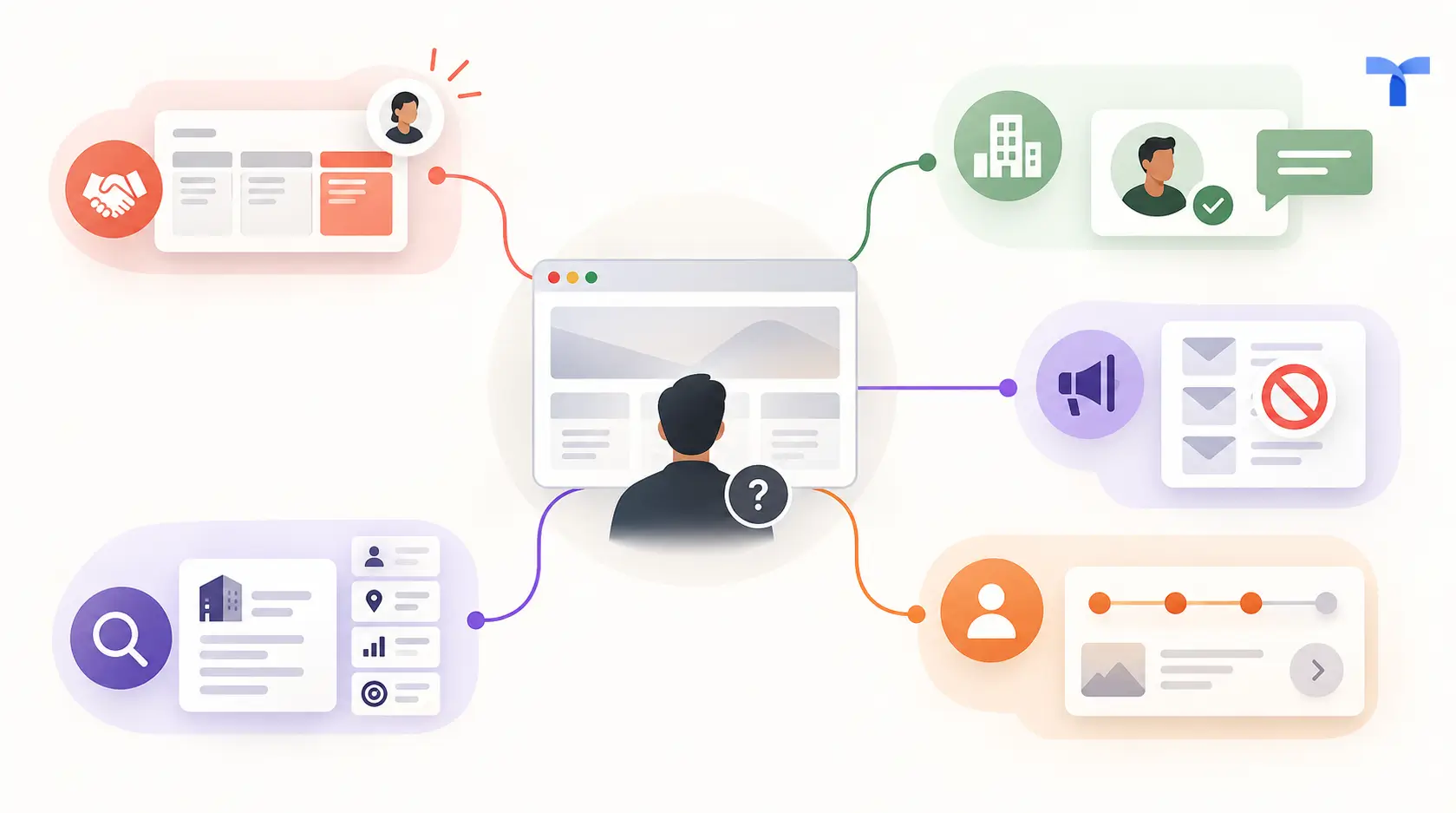
The hard part is connecting the tools behind it. Teams pick the right accounts. They buy intent data. They run ads and sequences. Intent sits in one system. Engagement sits in another. Outreach runs from a third. A person carries the context between them. The same survey named integration as the biggest barrier to using AI in account-based programs. Forty-three percent of marketers said they struggle to connect AI to their existing marketing technology stack.
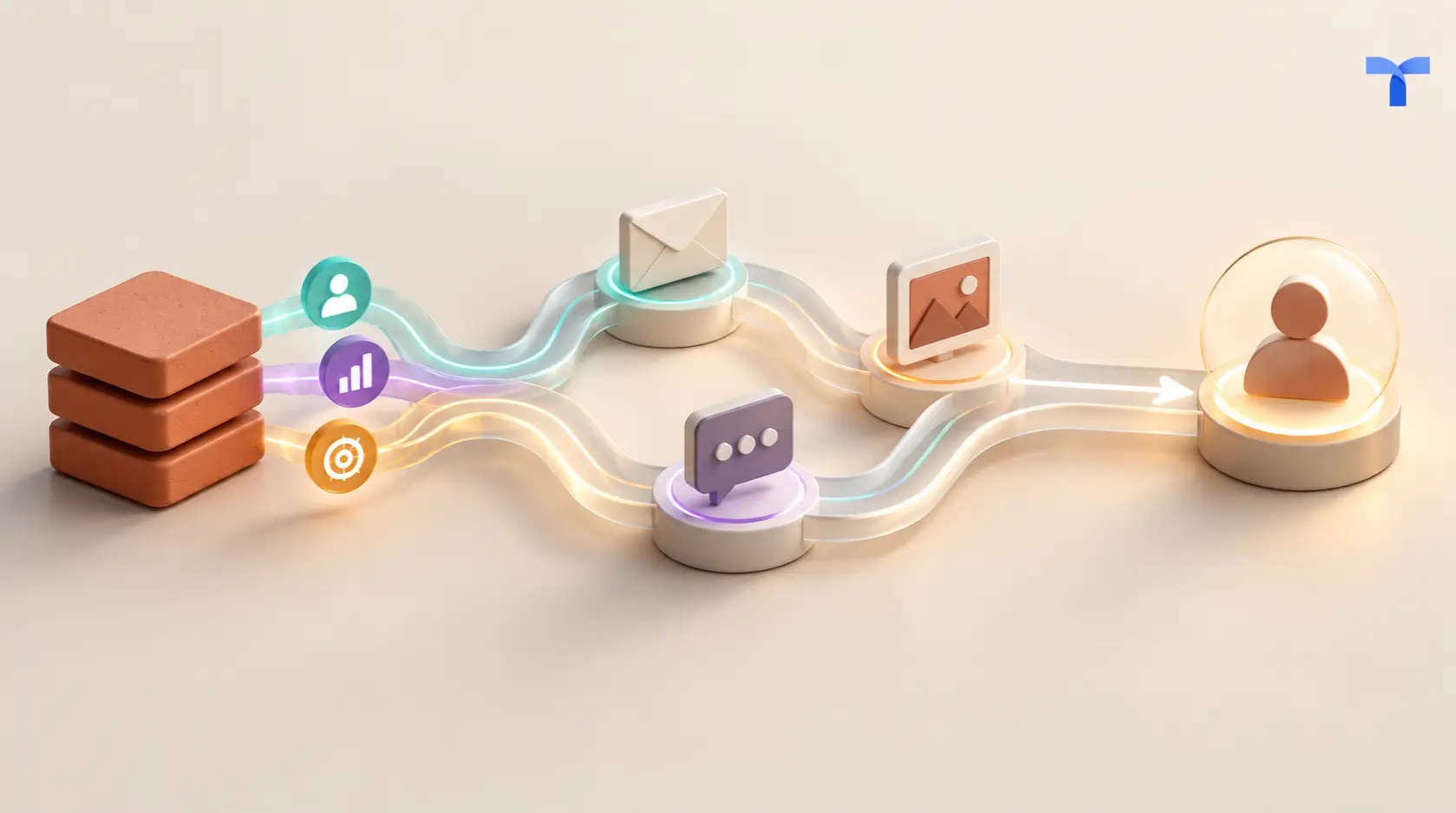
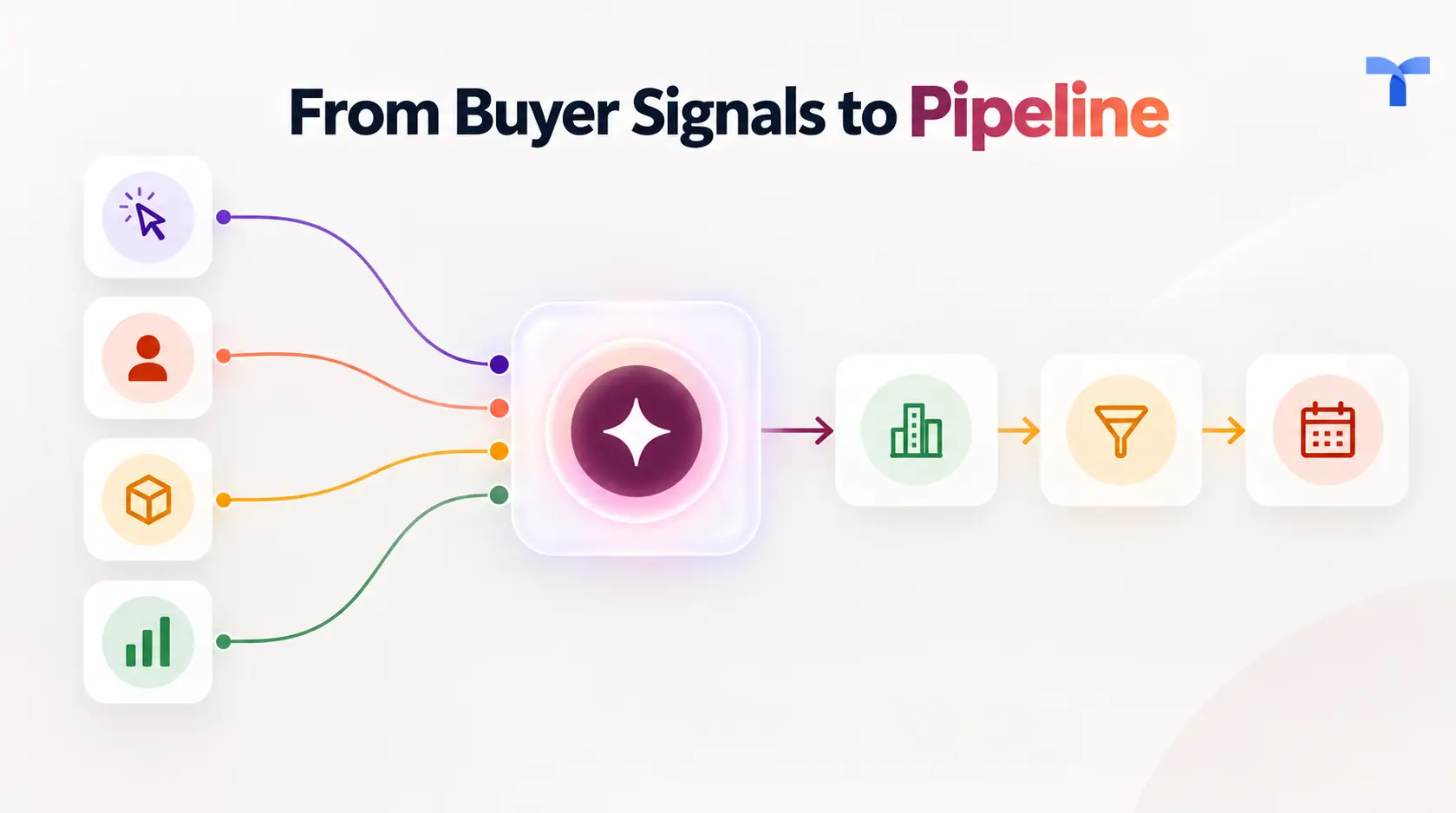
At Tapistro, we built our agentic go-to-market platform to remove that person from the middle. Tapistro runs the full process, from the first intent signal to the booked meeting, on one continuously updated account record.
What Account-Based Marketing Software Has to Connect
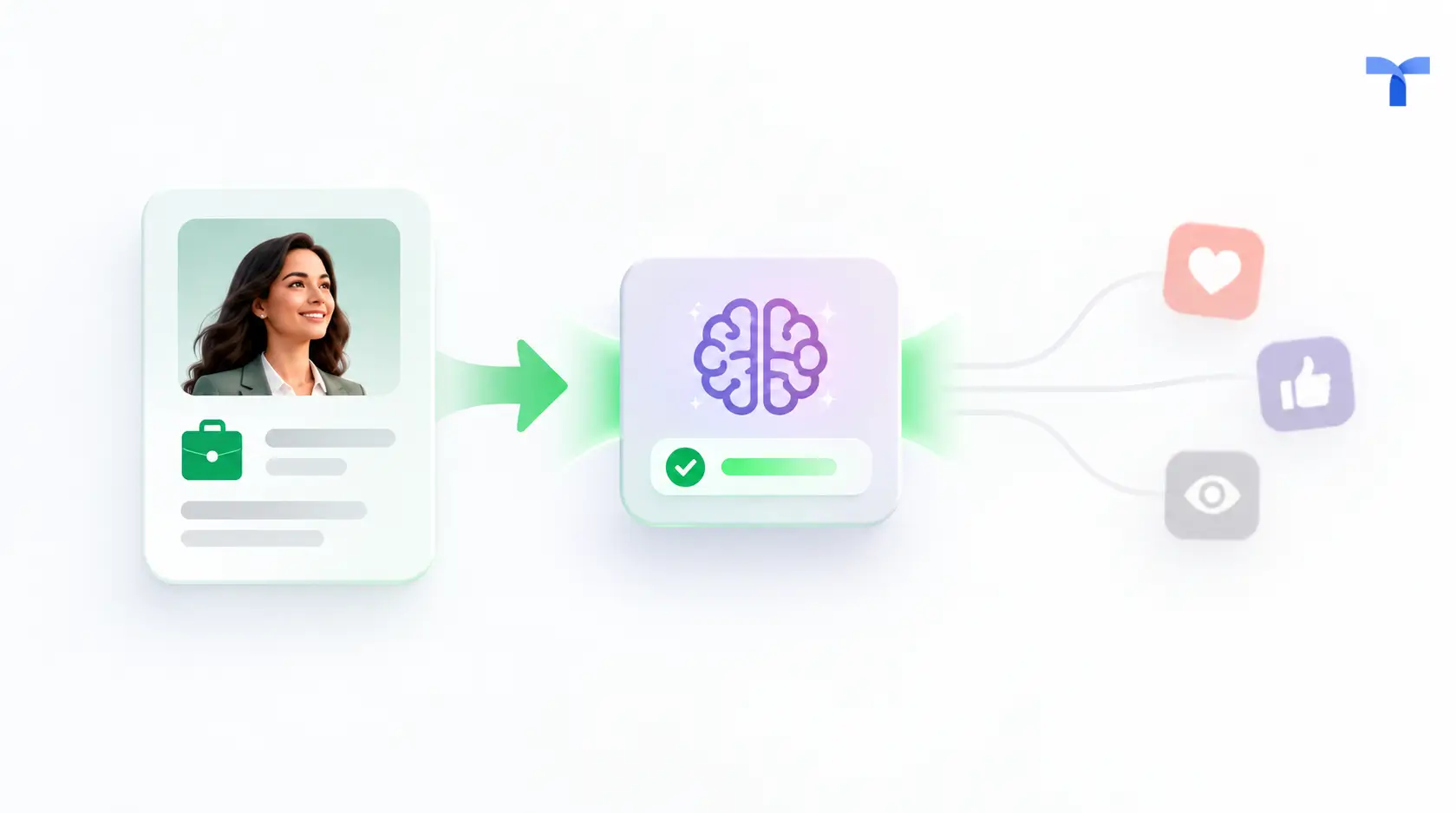
Account-based marketing software exists to answer three questions about every target account. Is it in market? Is it paying attention? Has the right person heard from us? Intent data answers the first. Engagement data answers the second. Outreach answers the third.
Intent: Who Is Researching
Intent covers the research an account does before it talks to a vendor. Review site visits, competitor comparisons, topic consumption across publisher networks, hiring for roles that use your category, funding and leadership changes.
Intent tells you an account has a reason to buy now. It does not tell you whether the account knows you exist.
Engagement: Who Is Responding to You
Engagement covers what an account does with your own touchpoints. Website visits, ad impressions and clicks, email replies, webinar attendance, content downloads.
Engagement tells you whether your message is landing and with whom. Read alone, it overweights the accounts that already know you and misses the ones researching competitors.
Outreach: Who Hears From You Next
Outreach is the action. An email from a rep's mailbox, a LinkedIn touch, a call, a tailored ad. It turns the first two layers into a conversation.
Each layer is useful on its own. Revenue depends on how fast and how accurately one layer feeds the next.
Where the Connection Breaks
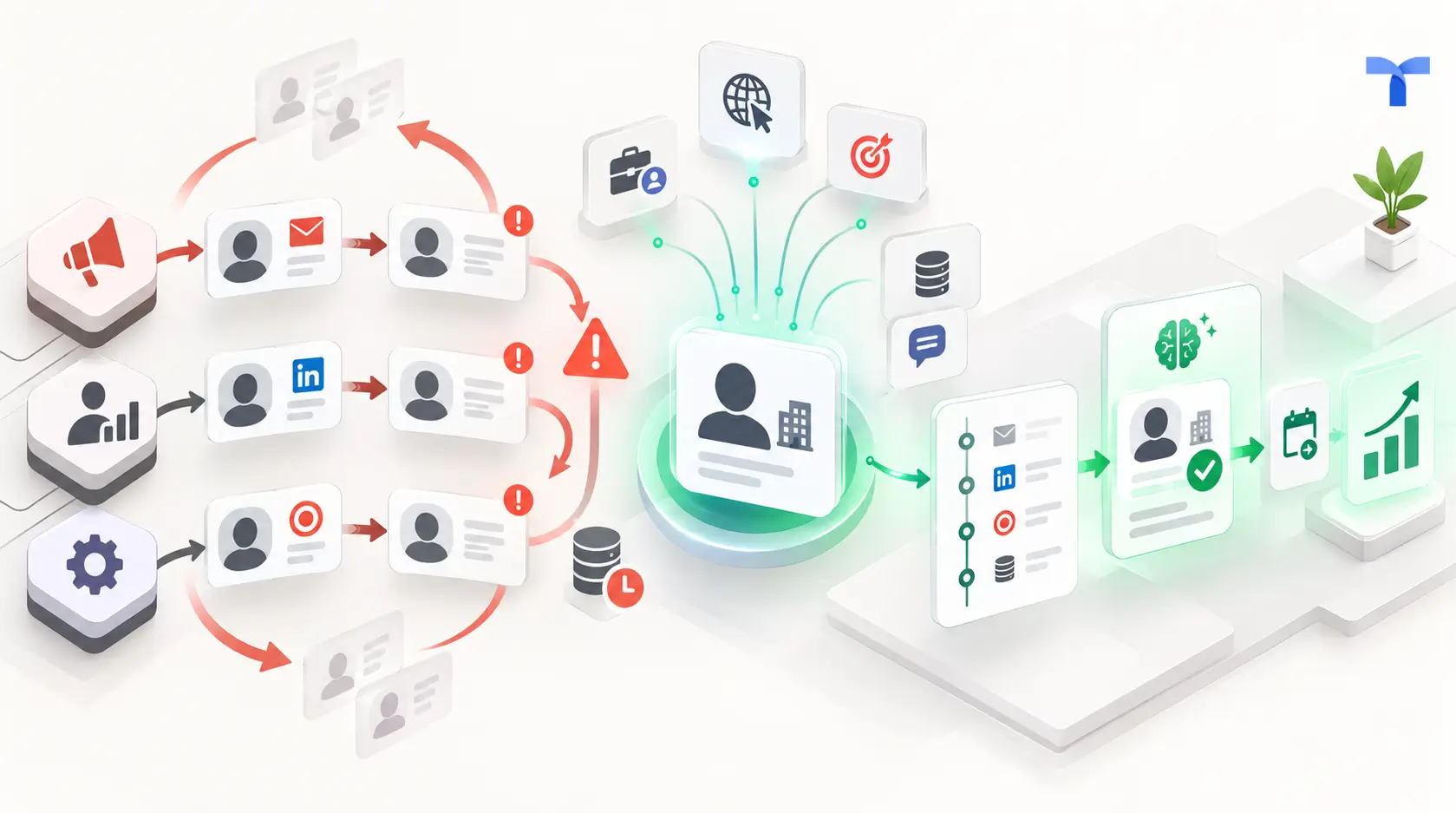
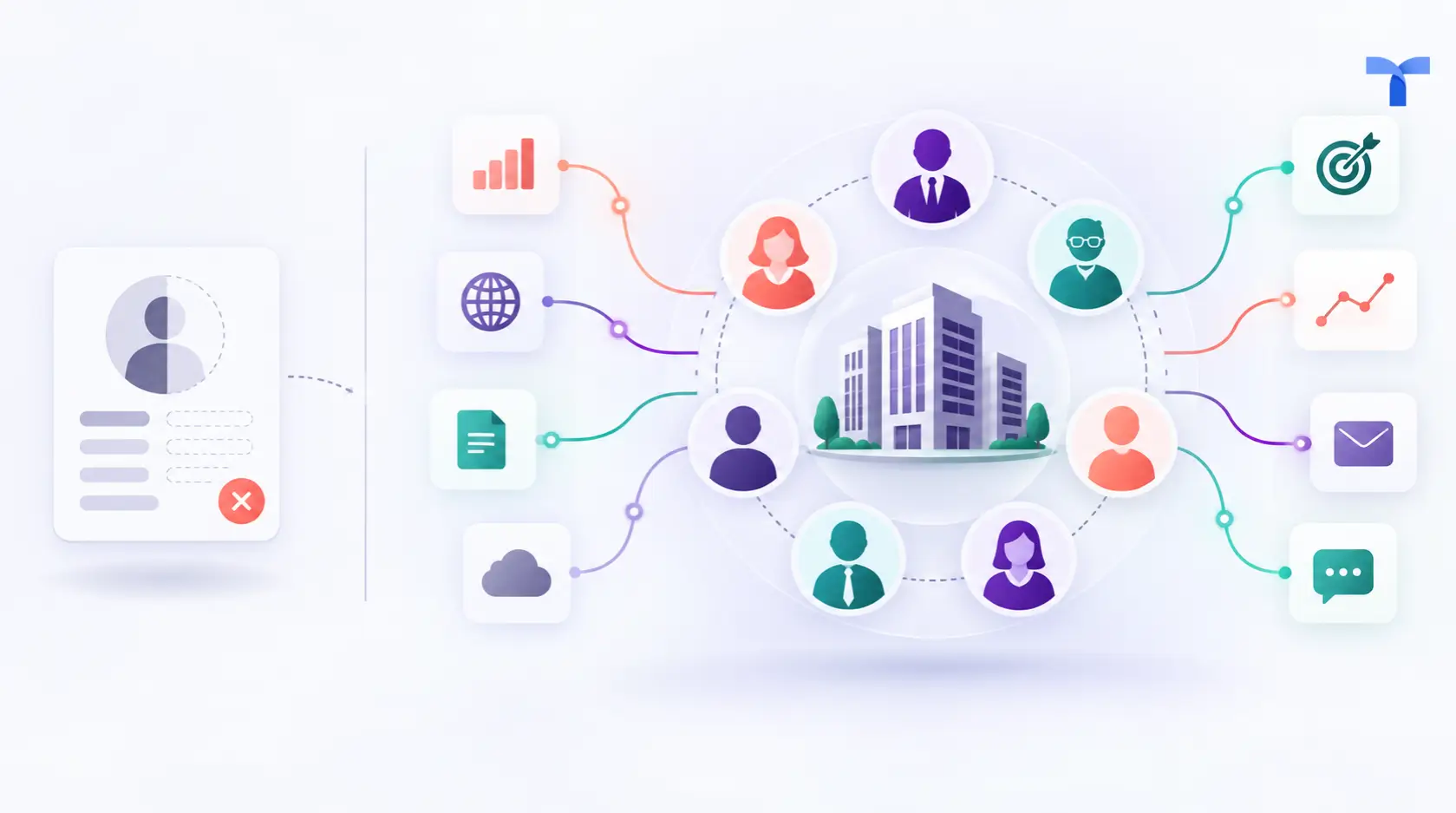
Most account-based stacks were assembled one tool at a time: an intent provider, an advertising platform, a marketing automation platform, a sales engagement tool and a customer relationship management system. Each tool works. The connections between them fail in four predictable places.
Signals Run on Different Clocks
Third-party intent often arrives as a daily or weekly file. Website activity arrives in real time. Ad engagement lands in a report someone pulls on Monday. By the time the three line up, the account has moved on.
Intent Names a Company, Outreach Needs a Person
Most intent data resolves to the account. Outreach goes to people. Someone has to work out which members of the buying group should hear from you, find them and verify their details. That step usually sits in a queue.
The CRM Is Behind Reality
Every automated handoff reads from the customer relationship management system. Validity's State of CRM Data Management in 2026 found that only 21 percent of marketers call their CRM data very well prepared to support AI. Sixty-two percent of organizations report losing revenue directly to poor CRM data.
A stale record turns a good signal into a bounced email, or a message to someone who left the company.
Handoffs Wait for a Person
In a stitched stack, a signal becomes a task. A marketer flags the account. Revenue operations routes it. A sales development representative researches it and writes the first email. Every step adds a day. Buying signals expire faster than that.
The Six-Stage Process, and How Tapistro Runs Each Stage
The process below runs from target account to booked meeting. Each stage covers what it does, where it fails in a stitched stack, and how Tapistro handles it.
Stage 1: Build and Maintain the Target Account List
The list defines the program. It should reflect fit, firmographics, technology, growth and timing, and it should change as those change.
Most teams build the list once a quarter from a firmographic filter and a spreadsheet of sales requests. Research depth drops as the list grows. A seller can research about 20 accounts a week properly.
Tapistro's TAP AI Agents research every account on the list: technology stack, open roles and the hiring intent behind them, investor materials and recent news. They microsegment accounts by ideal customer profile tier and keep the segments current. Tapistro takes research coverage from 20 accounts a week to more than 2,000, with the same depth on the last account as on the first.
Stage 2: Capture Intent From Every Source on One Clock
Intent is only useful when it is complete and current. A review site visit, a new vice president, a jump in job postings and a pricing page visit mean more together than apart.
Stitched stacks import each source separately, on its own schedule, into its own tool. Nobody sees the combined picture until someone builds a report.
Tapistro unifies more than 70 signal sources into a single Unified Prospect Profile for every account and contact. Review site activity, LinkedIn activity, job postings, company profile changes, competitor research and website behavior land in the same record as they happen. Tapistro reads the account's intent as one picture, not five partial ones.
Stage 3: Resolve the Account to the Buying Group
Account-level intent tells you where to go. The buying group tells you who to talk to. Deals close when more of that group is engaged. Gong's analysis of 1.8 million opportunities found that won deals involve twice as many buyer contacts as lost deals.
In most stacks, mapping the buying group is manual. A rep searches for contacts, pulls emails from a data provider and hopes they are current. Coverage is thin and bounce rates are high.
Tapistro's person-search agent discovers the contacts missing from the buying group and adds them to the account record. Continuous waterfall enrichment fills missing fields and validates email addresses before anyone sends. The account reaches outreach with named, verified people across the roles that matter.
Stage 4: Score Engagement at the Account Level, Continuously
Engagement scoring answers two questions. Is the account warming up? Who is driving it? The score has to combine your touchpoints with intent, across every person in the buying group.
Most engagement scores refresh on a schedule and live inside the marketing automation platform. Sales sees a number with no context. Ad engagement often sits outside the score entirely.
Tapistro refreshes scores as new behavioral signals arrive and writes them back to the CRM. It pulls LinkedIn ad engagement, including impressions and clicks, for target accounts in real time and adds it to the same record. Sales and marketing read the same score, with the signals behind it.
Stage 5: Trigger Outreach From the Signal, Not the Calendar
Outreach should start when the account shows a reason to talk. The message should reference that reason.
In a stitched stack, the signal becomes a task, and the task waits. When the email finally goes out, it is usually a template. Personalization at volume takes research time the team does not have.
Tapistro turns the signal into action. Journeys run across email, LinkedIn and the CRM. TAP AI Agents write personalized one-to-one sequences that send from each rep's own mailbox, not as bulk blasts, and produce a rep-ready brief before every call. Tapistro does the work between the signal and the first touch. Reps spend their time in conversations.
Stage 6: Close the Loop
The last stage feeds results back into the first. Which signals led to meetings? Which segments converted? Which messages worked for which roles?
Most stacks cannot answer those questions. Attribution stops at the campaign level. The CRM records the meeting but not the signal that started it. Teams end up reporting what they can see. In the Haus 2026 Decision Confidence Index, a Sapio Research survey of 500 senior marketing and finance leaders, 51 percent said they measure what leadership expects or what is easy to access. One in three reported conflicting data sources.
Tapistro keeps the signal, the touches and the outcome on one account record. Revenue teams can trace a meeting back to the signal that triggered it, then adjust segments, scoring and messaging on evidence. Tapistro surfaces only high-priority exceptions for human review. People spend their time on judgment calls, not on reconciling records.
Three Plays on One Account Record
Account-based programs rarely run a single play. Tapistro runs three.
List-first starts from a defined target list and works it systematically. Signal-first starts from a live buying signal, whether or not the account was on the list. Multi-threaded account coverage engages the full buying group across channels at the same time.
Accounts move between plays. A list account shows a spike in intent. A signal-first account turns out to be a strategic fit and needs full buying group coverage. In a stitched stack, each move means reconciling records across tools. Tapistro is the only platform that runs all three plays on a single account record. When an account moves, its history, contacts and scores move with it.
What to Check When You Evaluate Account-Based Marketing Software
How Old Is a Signal When Outreach Uses It?
Ask the vendor to show the time between a signal arriving and a message going out. A daily batch is already a day late.
Does the Platform Get From Account to Person?
Account-level intent without verified contacts leaves the hardest step to your team. Ask how the platform finds and validates buying group members.
Who Fixes the Data?
If the answer is your revenue operations team, the automation runs on their calendar. Enrichment and validation should run continuously, without a cleanup project before every campaign.
Can You Trace a Meeting to Its Signal?
If the platform cannot connect outcomes to the signals that started them, you cannot improve the program. Ask to see that report on real data. The six tests for an agentic platform go deeper on this question.
Where Tapistro Fits
Tapistro is an agentic go-to-market platform. Your team does not assemble the connections between intent, engagement and outreach. Tapistro builds that system and runs it.
Tapistro works alongside your CRM and marketing automation platform. It reads from more than 70 signal sources, keeps every account record enriched and scored, resolves accounts to verified buying group contacts, and turns signals into personalized outreach across email, LinkedIn and the CRM. Your team sets strategy and runs the conversations. Tapistro handles everything in between. See how revenue teams apply it on the Tapistro use cases page.