Why Most Companies Are Using Intent Data Wrong (And What to Do Instead)
In a lot of pipeline reviews, someone pulls up an intent dashboard, points at a list of "surging" accounts, and asks why none of them closed. It is an uncomfortable moment, because the data looked great. The accounts were lighting up. The reps reached out. And still, nothing moved.
That gap is the real story of intent data right now. Almost everyone has it. Very few are getting much from it. In survey after survey, around 98 percent of marketers call intent data important to demand generation, and most use it to decide which accounts to work. Yet only about a quarter say the return is strong. One widely cited figure has 87 percent of teams reporting that their intent signals are unreliable or inflated, with only 26 percent of those signals turning into qualified opportunities.
Meanwhile the spending keeps climbing. The intent data market was worth about 1.2 billion dollars in 2024 and is on track to reach 4.8 billion by 2032. So companies are buying more of something that, by their own admission, mostly is not working.
Across dozens of revenue teams, the problem is rarely the data itself. It is what teams do with it. Here is what goes wrong most often, and the approach that turns intent into real pipeline.
The Mistake Underneath All the Others
Here is the core confusion. Intent data tells you that someone is doing research. It does not tell you that someone is ready to buy. Those are two very different things, and almost every other mistake grows out of treating the first as if it were the second.
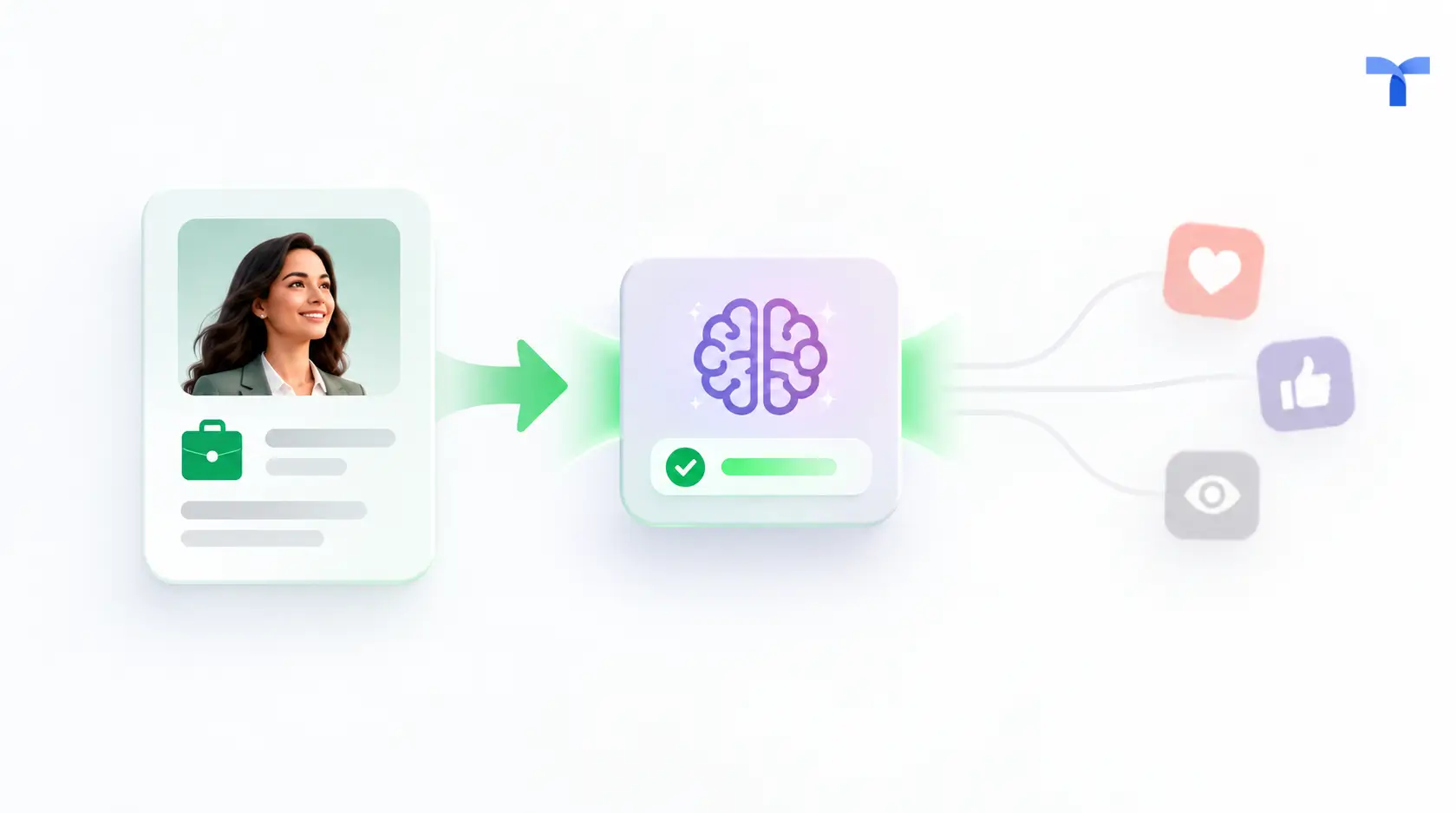
Most intent platforms measure activity. A spike in keyword consumption. A jump in anonymous traffic from a company domain. A burst of engagement on a topic. That activity is real, and it is useful, but on its own it is weak evidence. A surge can mean a buying committee is forming. It can also mean an analyst is writing a report, a student is doing a project, or a competitor is poking around. If you read every surge as a hand raised to buy, you will spend your best hours chasing motion that was never going to convert.
This is why so many reps quietly stop trusting their alerts. They get burned by false positives often enough that the whole feed starts to feel like noise. The data did not lie to them. It was just never the signal they were told it was.
Where Intent Data Goes Wrong in Practice
Once you see that root confusion, the common failure patterns are easy to spot.
Acting on a single signal
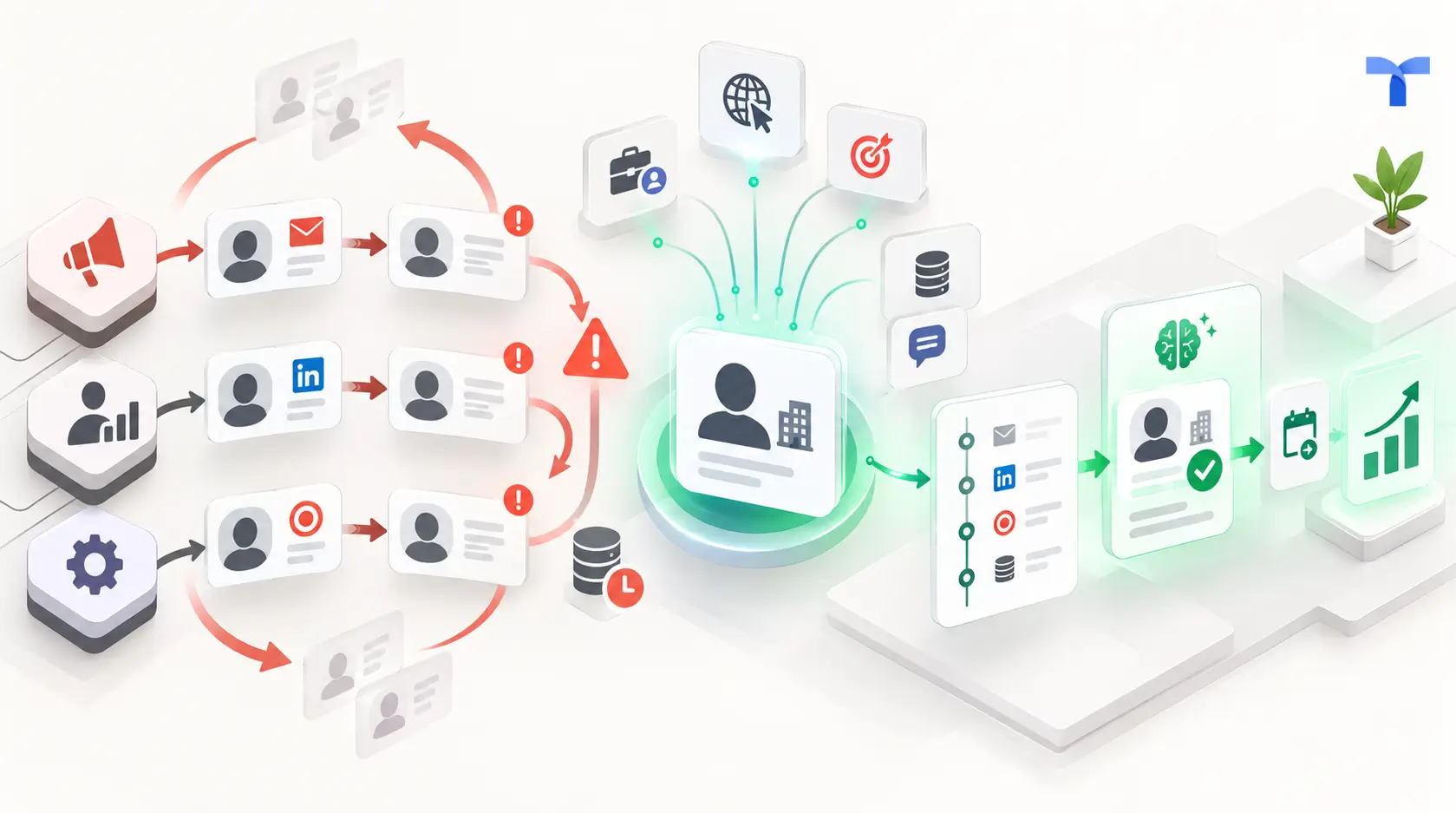
One signal in isolation is close to meaningless. A single G2 visit, one whitepaper download, a lone ad click. Real buying shows up as a pattern across several sources at once: the same account appearing in your web logs, your ad engagement, a review site, and a job posting, inside a tight window. Teams that react to each signal one at a time are reacting to noise. The pattern is the signal, not any single ping.
Dumping raw alerts on the sales team
A lot of "intent strategies" amount to forwarding a list of flagged accounts to reps every Monday. No ranking, no context, no sense of which three of the forty matter most today. That is not prioritization, it is delegation of the hard part. If a rep has to decode what a surge score means and which account deserves the next hour, most fall back on gut feel, and the data may as well not exist.
Ignoring fit and stage
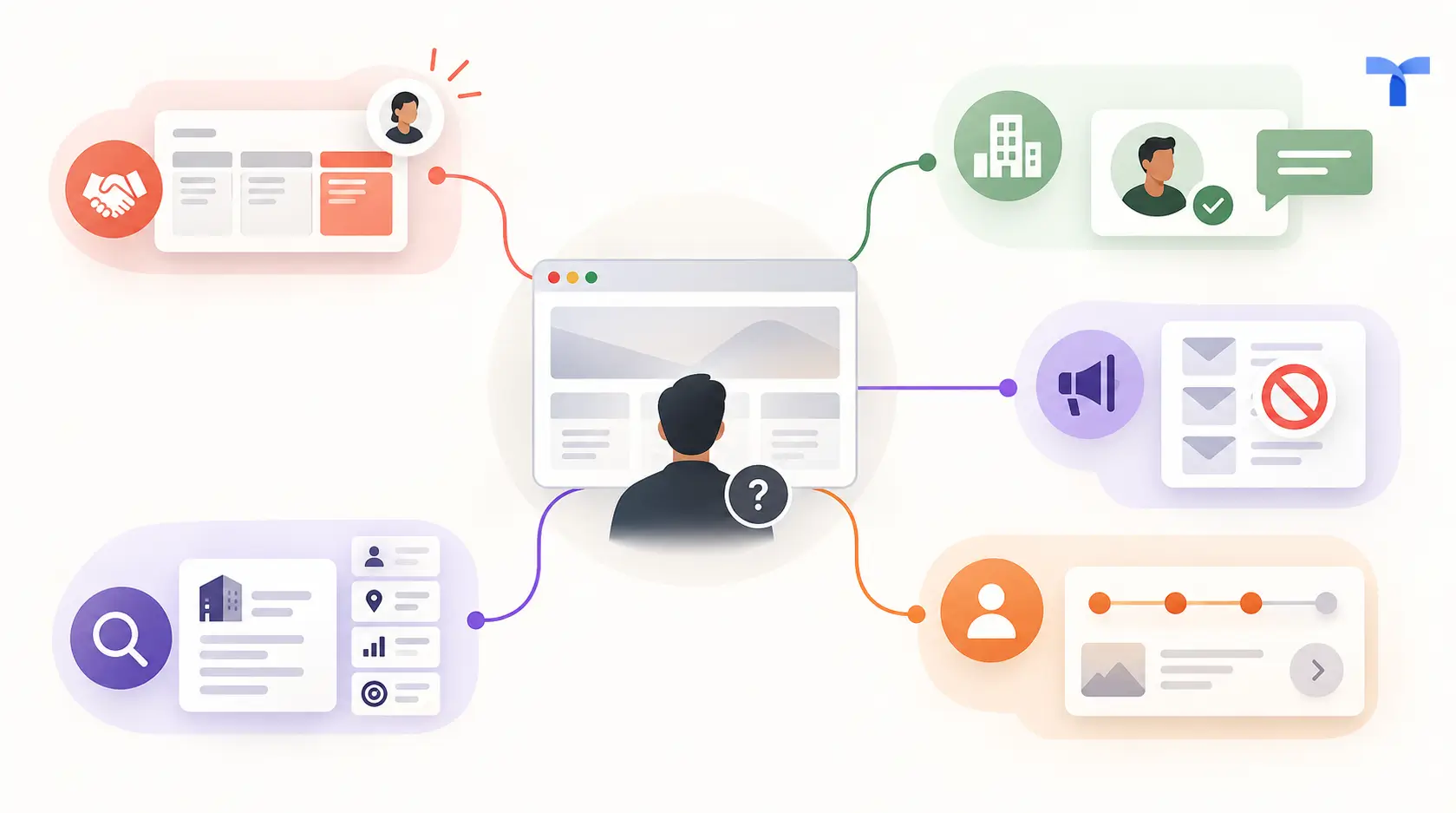
An account can be in market and still be wrong for you. If it does not match your ideal profile, or it is already deep in a deal with a competitor, the intent signal is a distraction. Intent is only valuable when you read it together with fit, stage, and how the account has engaged with you before. On its own, it is half a sentence.
Never closing the loop
Most teams treat intent as a one way feed. Signals come in, outreach goes out, and nobody checks which signals actually predicted real deals. So the model never improves, the same weak signals keep firing next quarter, and the team keeps chasing them. Without a feedback loop, you are not learning from intent, you are just consuming it.
What to Do Instead
The fix is not a better intent vendor. It is a better way of turning signals into decisions. Five things separate the teams that win with intent from the ones drowning in it.
Separate research from readiness
Start by being honest about what each signal means. Light research activity goes into nurture and brand. Strong, clustered, late stage signals, the ones that look like a committee getting serious, earn a real sales motion. When you grade signals by what they actually indicate, your team stops treating a curious browser like a hot lead.
Unify every signal into one profile
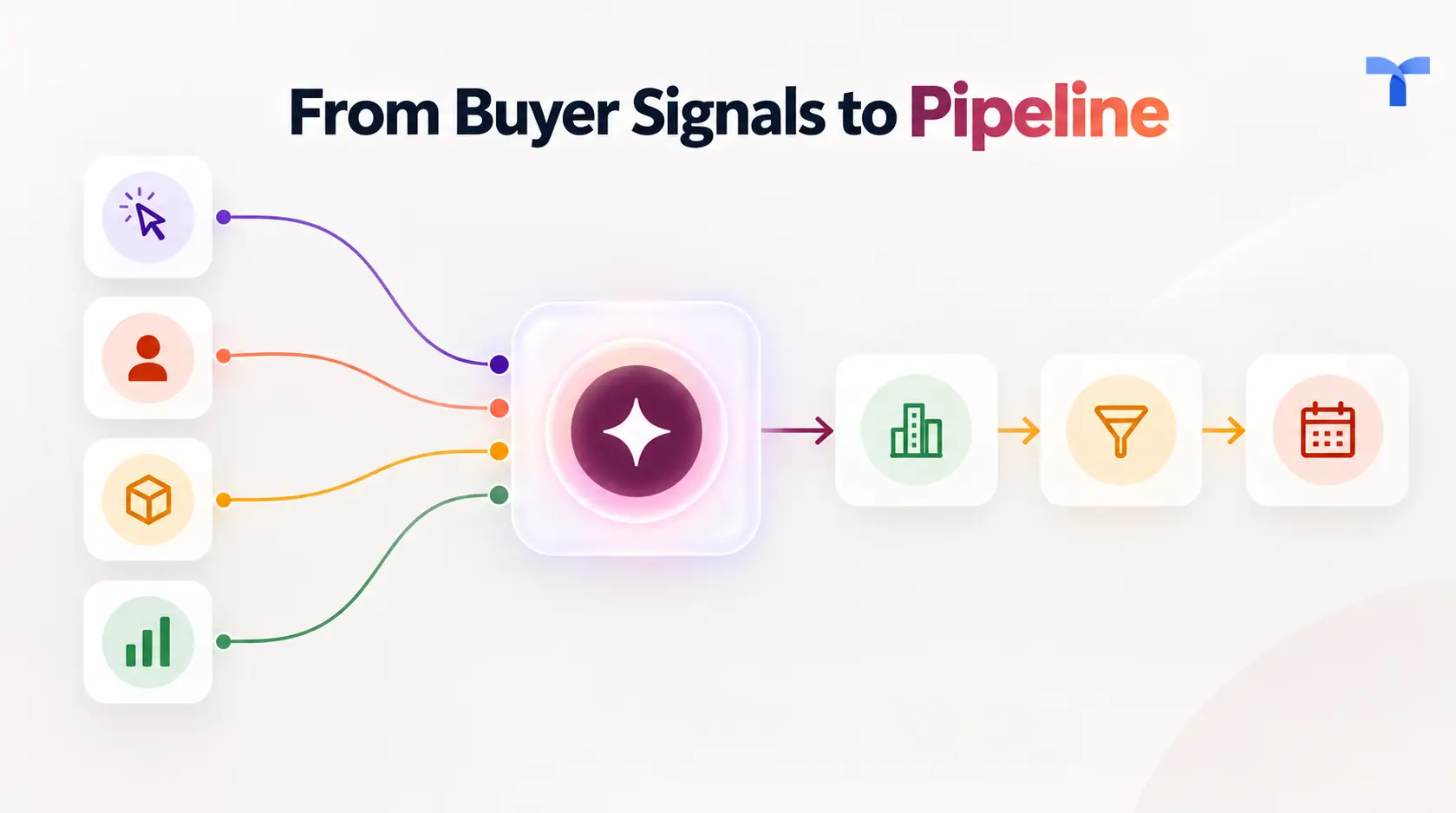
A signal only becomes trustworthy in context with the others. That means resolving identity at the person and account level and bringing first party behavior, third party intent, product usage, and CRM history into a single view. At Tapistro, this is the Unified Prospect Profile: its agents pull together more than 70 signal sources so the buying group shows up as one coherent account, not four loose contacts scattered across four tools.
Add context before you act, then rank
Once the signals live in one place, weigh them against fit, stage, and prior engagement, and turn the result into a ranked list. Not forty flagged accounts, but the handful that are worth a call today, with the reason attached. This is the difference between an alert and a decision. Signal orchestration is what makes that ranking continuous instead of a stale weekly batch.
Move fast on the few that matter
Intent has a short shelf life. The research happening today is gone in a week. Speed still decides who wins: reach a fresh lead within five minutes and you are far more likely to qualify it than a team that waits even half an hour, let alone the days most companies take. Once you have a ranked, context rich shortlist, act on it while the window is open. That is exactly the kind of work an agent can run the moment a signal lands.
Close the loop so the model learns
Finally, feed outcomes back in. Track which signals preceded real opportunities and which led nowhere, and let that sharpen the next round of scoring. This is where intent gets better over time instead of staying flat. The context compounds: the system that watched what closed last quarter makes smarter calls this quarter.
What This Looks Like When It Works
When teams make this shift, the change is less about volume and more about focus. They stop working a long list of maybes and start working a short list of accounts that genuinely look like buyers, fast.
The pattern holds across the teams Tapistro works with. Eucloid, a data and analytics firm moving into the U.S. market, compressed a five month outreach ramp into a few weeks once their signals were unified and acted on, and they now generate five to six qualified meetings a month at a 38 percent click through rate. A mid market loyalty software team scaled outbound tenfold without adding headcount, because the research and prioritization that used to eat most of a rep's day was handled by agents. In both cases the intent data was not new. The way it was read and acted on was.
The Bottom Line
Intent data is not broken, and you do not need to rip out the providers you already pay for. What most companies need is a change in how they read and act on the signals they already have. Stop reading research as readiness. Stop trusting single pings. Stop handing reps raw lists and calling it strategy. Put every signal into one profile, weigh it with fit and stage, rank it, act while it is warm, and learn from what closes.
Do that, and intent stops being the dashboard nobody trusts and becomes what it was meant to be: an early, honest read on who is about to buy. That is the layer Tapistro was built to run, for teams tired of paying for signals they cannot turn into pipeline.
.webp)