%20(1).avif)
What Is Warm Outreach Automation?
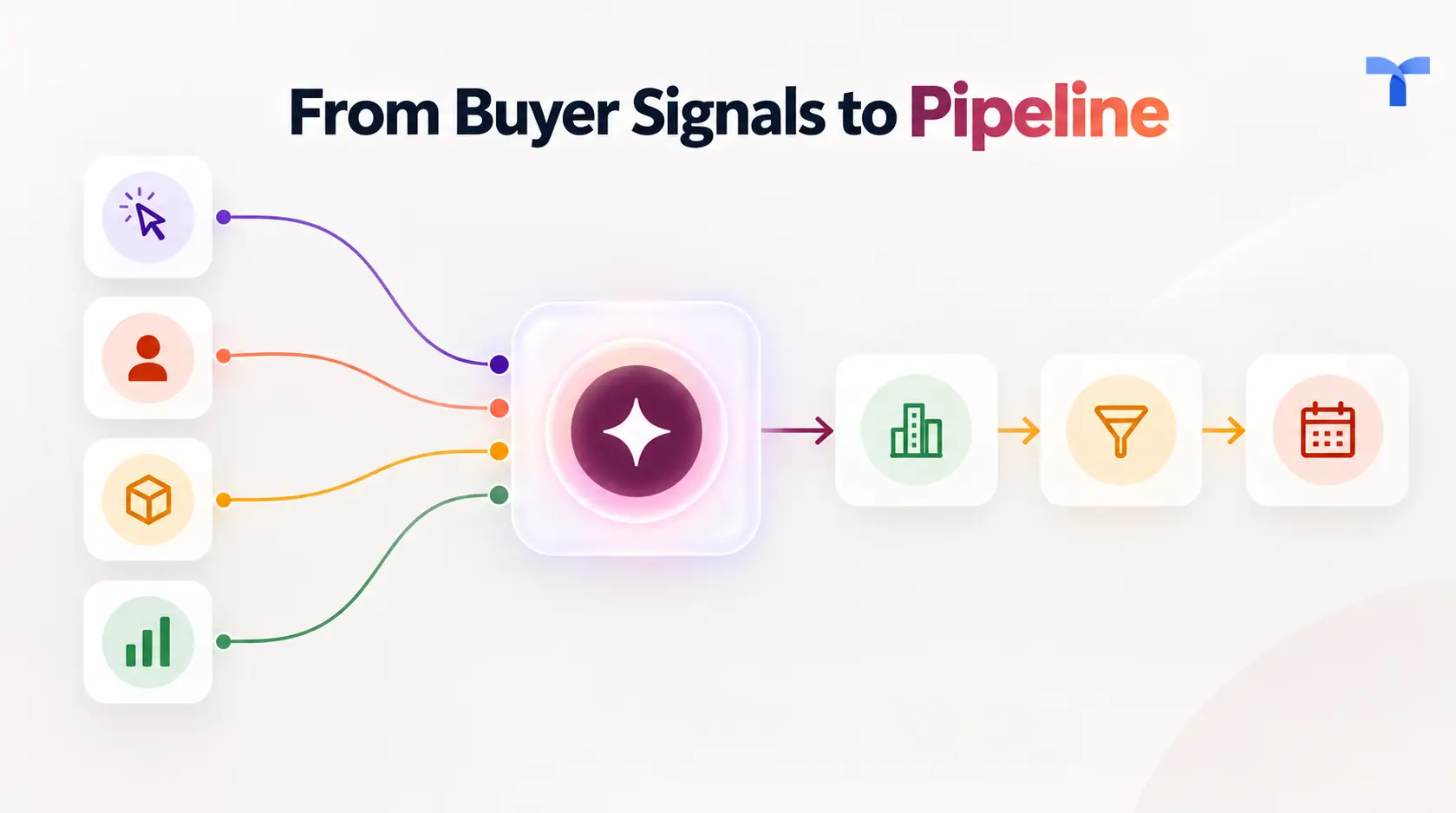
Warm outreach automation is the practice of triggering personalized outreach off real buyer signals, automatically, at the moment those signals appear. Instead of working from a static list and a fixed send calendar, the system watches for the moment a buyer shows intent, a pricing-page visit, a relevant new hire, a usage spike, and fires a message shaped by that specific signal.
Break that into its three parts, because each one matters:
- Warm means there is a reason. A prospect visited your pricing page, a target account hired a new leader in your buyer's department, a customer's usage spiked, a competitor's contract is coming up for renewal. Something changed.
- Outreach means a real message to a real person, shaped by the signal that triggered it.
- Automation means the system does the watching and the timing, so the play fires whether or not a human happened to be looking.
Put plainly: cold outreach starts with a list and a calendar. Warm outreach automation starts with a signal and a trigger.
The contrast in practice:
- Cold: "Here are 2,000 contacts. Send Tuesday at 9am. Hope some of them are in-market."
- Warm automated: "The VP of Sales at this account just visited the integrations page twice and downloaded the security overview. Send the integration-focused message now, from the account owner."
One is a numbers game. The other is a timing game, and timing is the only edge that compounds.
Cold Outreach Is Not Broken Because of Volume
Everyone keeps trying to fix cold outreach by changing the dials. Better subject lines. Tighter sequences. More sending domains. A new tool that promises higher deliverability.
None of that addresses the actual problem. Cold outreach underperforms because it is cold. You are interrupting someone who has shown no sign of caring, at a moment you picked at random, with a message they did not ask for.
Warm outreach automation flips the premise. Instead of automating the interruption, you automate the recognition: the system watches for the moment a buyer signals interest, and then it moves. Same scale as cold outbound. None of the randomness.
This is the shift every revenue operations and marketing operations team should be planning for in 2026. Not "send more." Send at the right moment, to the right person, because something actually happened.
Why Warm Outreach Wins, and Why Most Teams Still Get It Wrong
The logic of warm outreach is obvious. The execution is where teams fall down, and they fall down in two predictable ways.
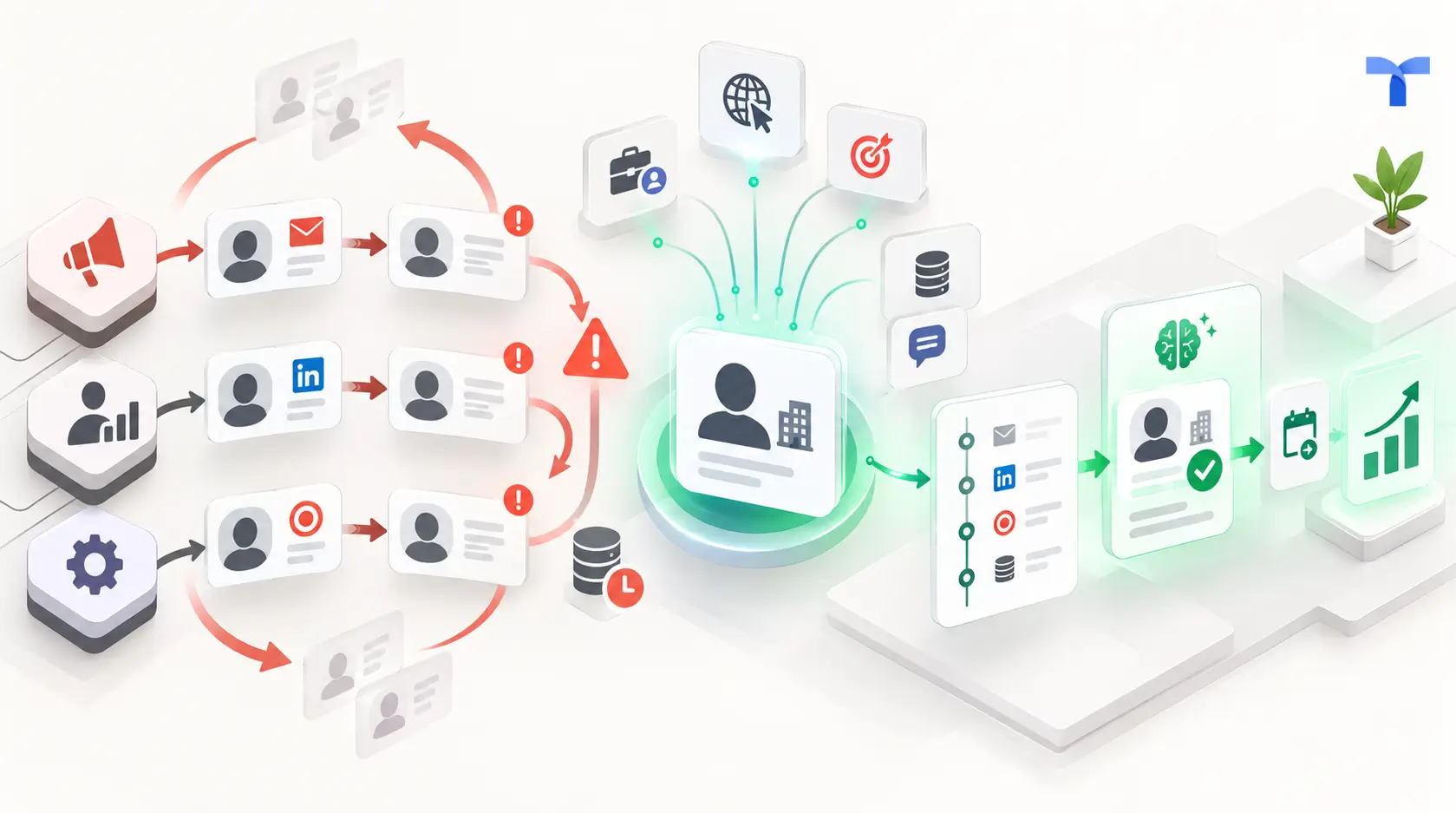
The first failure is warm in theory, manual in practice. A team buys an intent data feed, it lands in a dashboard, and a rep is supposed to check it between calls. By the time anyone acts, the moment has passed. The signal was real. The response was too slow to matter.
The second failure is automated in practice, cold in spirit. A team wires up triggers but pipes them into the same generic sequence everyone else gets. The buyer raised their hand, and the system replied with a form letter. The signal was wasted on a message that ignored it.
Warm outreach automation only works when the signal and the message stay connected the whole way through. The thing that triggered the play has to shape the play. Otherwise, you have just built a faster way to be irrelevant.
By late 2026, buyers will have even less patience for outreach that ignores what they actually did. The teams that win are not the ones sending the most. They are the ones whose every send can answer the question, "why are you contacting me now?"
How Warm Outreach Automation Actually Works
Strip it to the mechanics. A working warm outreach motion has four moving parts, and they have to operate as one system.
1. Signal capture
The system continuously watches the places buyers reveal intent: website behavior, product usage, hiring activity, funding news, research activity, engagement on social channels. Not one source. All of them, together, because a single signal is noise and a cluster of signals is a story.
2. Qualification
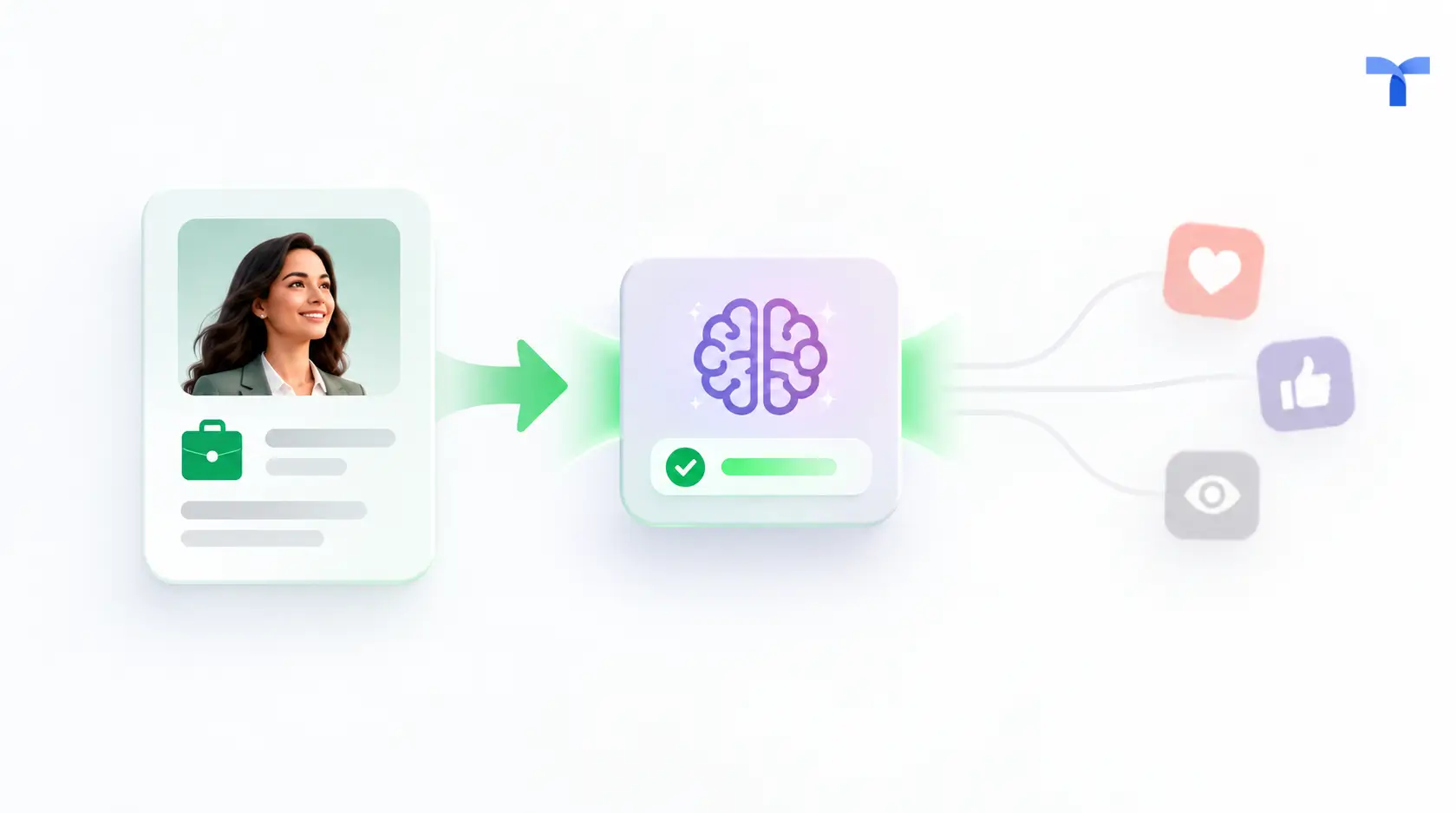
Not every signal deserves a message. The system has to separate a buyer from a browser. A student reading a glossary post is not a prospect. A head of revenue operations who visited pricing, checked the integrations page, and whose company just posted three relevant job openings is a different story entirely.
3. Context-aware messaging
This is the part most tools skip. The message has to be built from the signal that triggered it. If the trigger was an integrations-page visit, the outreach leads with integrations. Artificial intelligence does the heavy lifting here: it reads the context and drafts an opener that sounds like a person who paid attention, because the system did.
4. Routing and timing
The play fires to the right owner, from the right sender, at the right moment. Speed is the whole point. A warm signal acted on within the hour is warm. The same signal acted on three days later is cold again.
Cold Sequencing vs. Warm Outreach Automation
How Tapistro Runs the Whole Motion
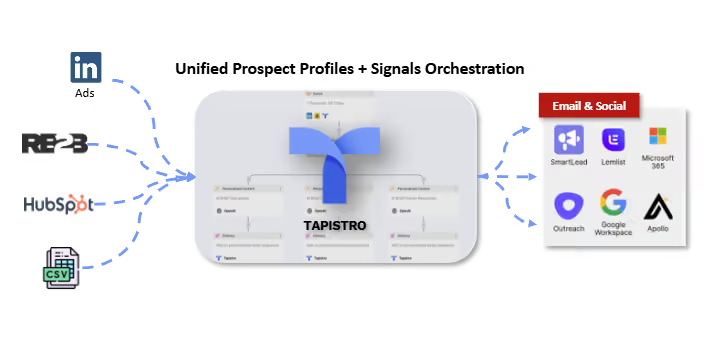
Most teams trying to build warm outreach end up stitching together four or five tools and a lot of manual glue. The intent feed does not talk to the messaging tool. The messaging tool does not know what triggered the contact. The glue is a rep checking a dashboard, and the glue keeps failing.
We built Tapistro to be the layer that runs the motion end to end. It captures the signals across your stack, qualifies them so reps only see what is real, uses natural language processing to build the message from the context that triggered it, and routes the play to the right owner while the signal is still warm.
- A prospect goes quiet on email but spends twenty minutes in your documentation. Tapistro recognizes the shift and queues a no-pressure, value-first message instead of another follow-up.
- A target account hires a new economic buyer. Tapistro drafts the introduction built around that hire and routes it to the account owner.
- A customer's usage pattern signals expansion readiness. Tapistro hands it to the right team with the context already attached.
The point is not that Tapistro sends faster. It is that the signal and the message never get disconnected. The play stays warm because the system never lost the plot.
A Practical Framework for Building Warm Outreach Automation
If you own the revenue operations or marketing operations function, here is the build order that works.
1. Inventory your signals before you automate anything
List every place a buyer reveals intent that you can actually capture today. Rank them by how strongly they predict a real conversation. You are looking for the clusters, not the one-off clicks.
2. Write the qualification rules in plain language first
Before you touch a tool, finish this sentence for each signal: "This is worth a message when..." If you cannot articulate the threshold, you will automate noise.
3. Tie every trigger to a specific message, not a generic sequence
Each signal type gets its own opening angle. The integrations visitor and the new-hire trigger should never receive the same first line. If they do, you have built cold outreach with extra steps.
4. Engineer for speed
Measure the gap between the signal and send. If it is measured in days, your warm motion is cooling off before it leaves the building. The target is minutes to hours.
5. Review what fired, not just what converted
Once a week, look at the plays that triggered and ask whether the signal genuinely justified the message. Tighten the rules. Warm outreach automation is a system you tune, not a switch you flip.
The Payoff: Why This Matters
Teams that move from cold sequencing to warm outreach automation see the difference fast:
- Reply rates climb because relevance climbs. When the message answers "why now," people respond.
- Reps stop burning hours on the wrong moment. The system handles the watching, so humans spend their time in real conversations.
- Your brand stops sounding like spam. Every send has a reason behind it, and buyers can feel the difference.
Ready to send because something happened, not because it was a Tuesday?
See how Tapistro runs warm outreach end to end.
.webp)