The digital business environment constantly keeps evolving. For SaaS and service-based companies, the challenge isn't just building a great product, it's about reaching the right people - executives, buyers, and decision-makers – all at the perfect moment in their buying journey.
This is where B2B lead generation becomes instrumental. With outreach response rates declining and buyers overwhelmed by generic sales messages, businesses that fail to build systematic lead generation pipelines will stagnate.
The Digital B2B Ecosystem: Why Lead Gen Matters
The buyers today are digital-first. Their buying decisions are based on information that they get from search engines, LinkedIn posts, webinars, product reviews, and case studies, and they look for answers long before a salesperson enters the picture. This shift requires the businesses to focus on relevance, personalization, and timing in their messaging, three things that the traditional outreach programs fail to deliver.
A successful B2B lead generation strategy is the engine for sustainable and scalable GTM motion. It delivers stability, ensuring predictable revenue, improved cash flow, and better resistance to market fluctuations. You don't have to wait for referrals because you proactively seek and reach out to the right buyers.
Understanding B2B Lead Generation - What Is It?
B2B lead generation is a strategic business process of identifying, attracting, and converting business buyers into viable potential customers. These are not individual consumers but include companies, key decision-makers, and professional stakeholders, who require something specific.
The core objective of this process is to create a stream of prospects who meet the following criteria:
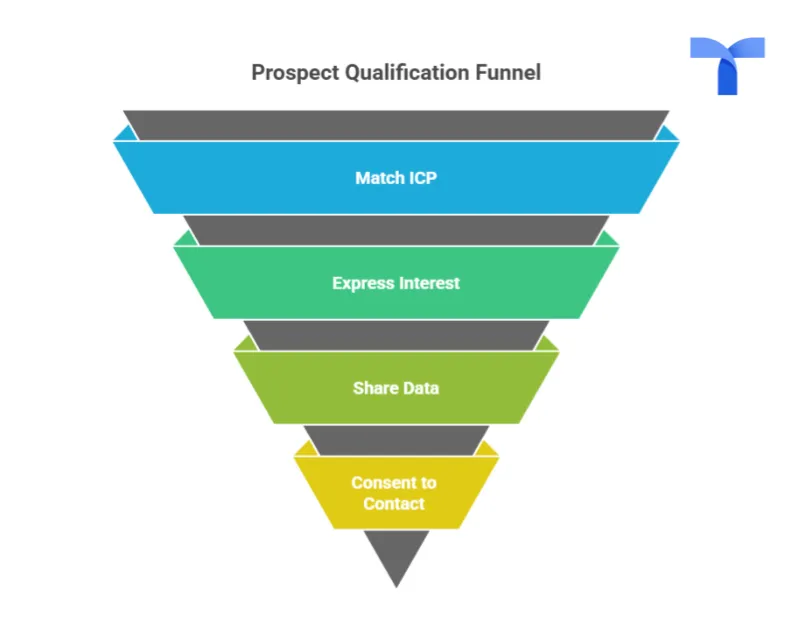
- Match the Ideal Customer Profile (ICP): The prospect's firmographic and behavioral attributes align with the customer profile that we’ve created.
- Express Solution Interest: The prospect actively demonstrates an interest in the offered product or service via website visits or form fills.
- Willingness to Engage: They are prepared to share essential professional data (such as email, job role, and company affiliation).
- Openness to Contact: They consent to be contacted directly regarding the solution they are seeking via a sales demo.
Effective B2B lead generation transforms marketing efforts into a disciplined, measurable, and repeatable system, which creates a steady and reliable stream of prospects.
B2B vs. B2C Lead Generation
The B2B and B2C worlds are fundamentally different.
- B2C decisions are usually faster, emotionally driven, and made by a single individual.
- B2B decisions are more logical and long-term, often high-value, and involve multiple stakeholders (technical teams, finance, executives).
This makes the B2B buying cycle much longer, where trust and credibility are essential. B2B lead generation must focus on education, value-building, and relationships rather than impulse marketing. It is generally true that these relationships take time to build, but also last a long time.
Why It's Critical for Sustainable Growth
A robust strategy delivers stability and measurable returns. Targeted lead generation ensures your message reaches those you are most likely to convert, which reduces waste and strengthens marketing efficiency. Another key benefit is the better alignment between marketing and sales, meaning sales wastes less time on unqualified leads, and marketing can optimize campaigns based on real-time feedback.
The B2B Lead Generation Process
Here are the basic steps that define B2B lead generation. This is not exhaustive and every team would have their own way of addressing it.
The 6 Essential Steps of Lead Generation
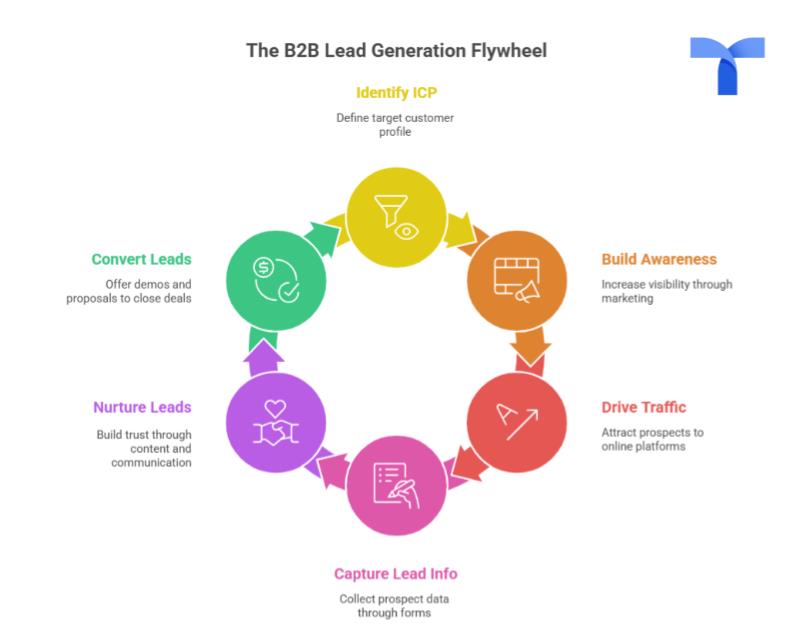
The B2B lead generation journey is a flywheel, where each stage strengthens the next. This makes it imperative that the tasks at each stage are completed properly, for any leniency can cause the entire system to fail.
- Identify the Ideal Customer Profile (ICP): This includes defining industry, company size, geography, revenue, and key decision-makers' roles
- Build Awareness: This requires being discoverable using SEO, content, social media, and paid ads
- Drive Traffic: The prospects need to come to blogs, webinars, product pages, or landing pages
- Capture Lead Information: Use forms, chatbots, quizzes, and gated content
- Nurture and Build Trust: This is the longest process, and includes sending email sequences, sharing case studies, and providing educational content
- Convert:Offer demos, consultations, trials, and tailored proposals
Types of B2B Leads (IQL, MQL, SQL, PQL)
- Information Qualified Leads (IQL): These generally include early-stage leads, seeking general information. They are only trying to find out more, and are not ready for sales calls yet.
- Marketing Qualified Leads (MQL): These prospects have already shown repeated engagement through, for example, webinar attendance, multiple page visits, newsletter subscriptions etc., but still need nurturing.
- Sales Qualified Leads (SQL): These prospects show strong intent by booking demos, requesting pricing, or filling out contact forms, and are proactive. These are the prospects that sales should engage immediately.
- Product Qualified Leads (PQL): In SaaS based companies, these are users who have tried the product - free trial/freemium - and show buying intent through usage patterns that are tracked using product analytics such as a POC.
The Core B2B Lead Generation Channels
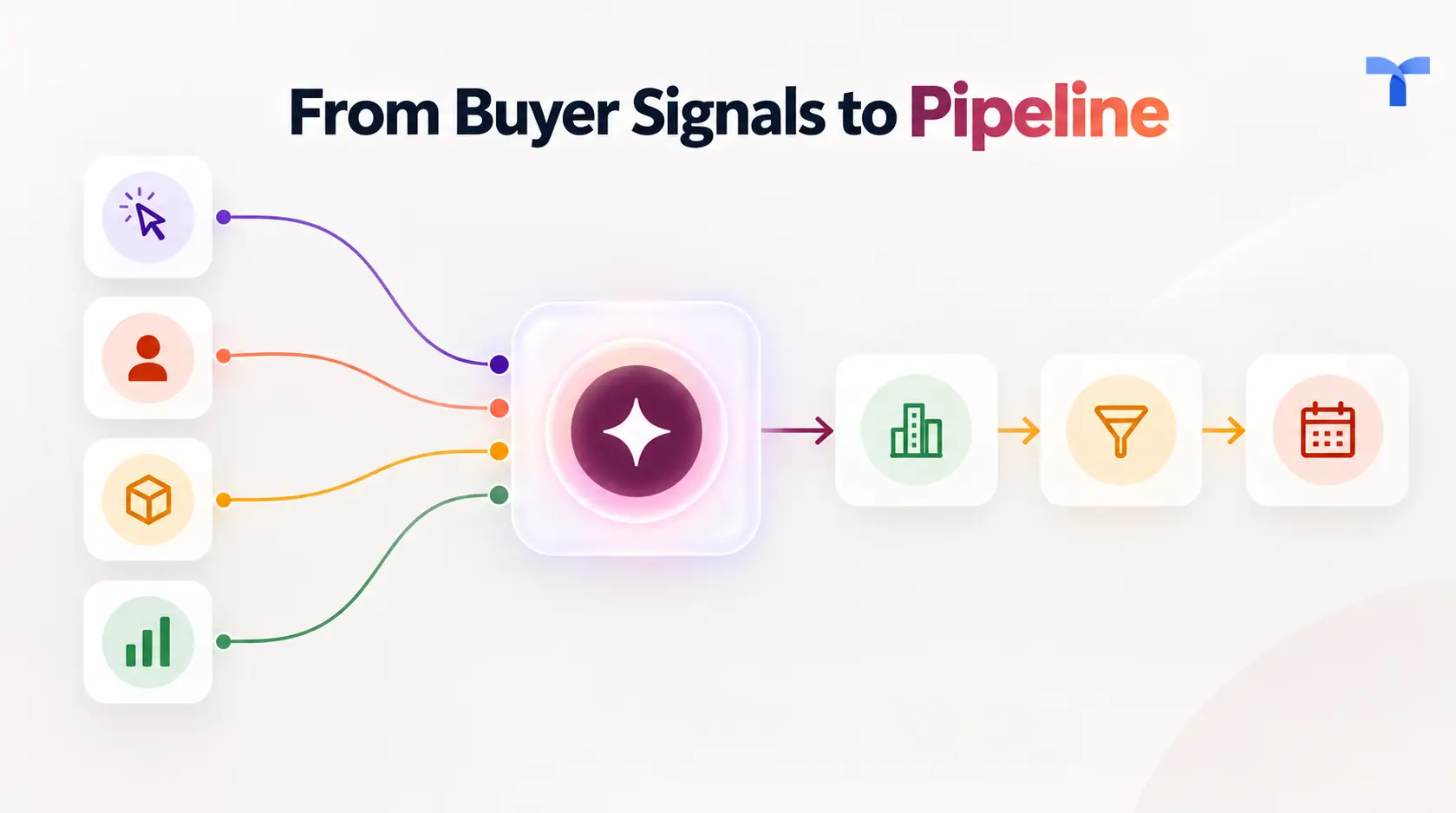
Modern B2B SaaS growth isn’t driven by isolated tactics. It’s powered by an AI-orchestrated system where inbound, outbound, and referrals continuously feed qualified demand into execution.
Inbound: Signal Creation at Scale
Inbound channels generate intent signals before a buyer ever raises their hand.
SEO and content capture high-intent searches and surface Tapistro at the moment buyers start evaluating solutions. Thought leadership and product narratives establish credibility and shape category perception. Social and email distribute insights, keep the brand present, and warm accounts until engagement thresholds are met.
Inbound compounds over time and becomes the backbone of efficient demand capture.
Outbound: Precision Execution
Outbound converts signals into pipeline with speed and control.
Cold outreach enables rapid qualification. Targeted paid ads narrow reach to ICP-aligned accounts already showing buying behavior. LinkedIn prospecting allows structured engagement with decision-makers and systematic account expansion.
With AI-driven orchestration, outbound becomes repeatable, adaptive, and measurable.
Referrals & Partnerships: Trust Amplification
Referral-driven channels deliver the highest conversion quality.
Partners, affiliates, and ecosystem relationships introduce Tapistro into pre-validated networks, transferring trust before the first interaction and accelerating deal cycles.
One System, Not Three Channels
When inbound creates signals, outbound acts on them, and partnerships amplify trust, lead generation becomes predictable, resilient, and scalable. This is how AI-native GTM teams move from lead generation to continuous revenue execution.
Modern B2B Trends (2026): The Role of AI
Modern B2B lead generation revolves around intelligence, personalization, and automation, powered by AI lead generation technologies.
- Hyper-Personalization at Scale: Crafting messages that reflect a prospect's exact role, industry, and intent.
- Intent-Based Targeting: Advanced lead generation software uses predictive data to identify companies actively researching your solutions, enabling outreach at the right time.
- AI-Driven Prospecting: Tools automate research, write personalized messages, and run optimized multi-step sequences without manual labor.
- Multi-Channel Engagement: Using email, LinkedIn, and retargeting ads ensures consistent touchpoints
How to ensure the best start
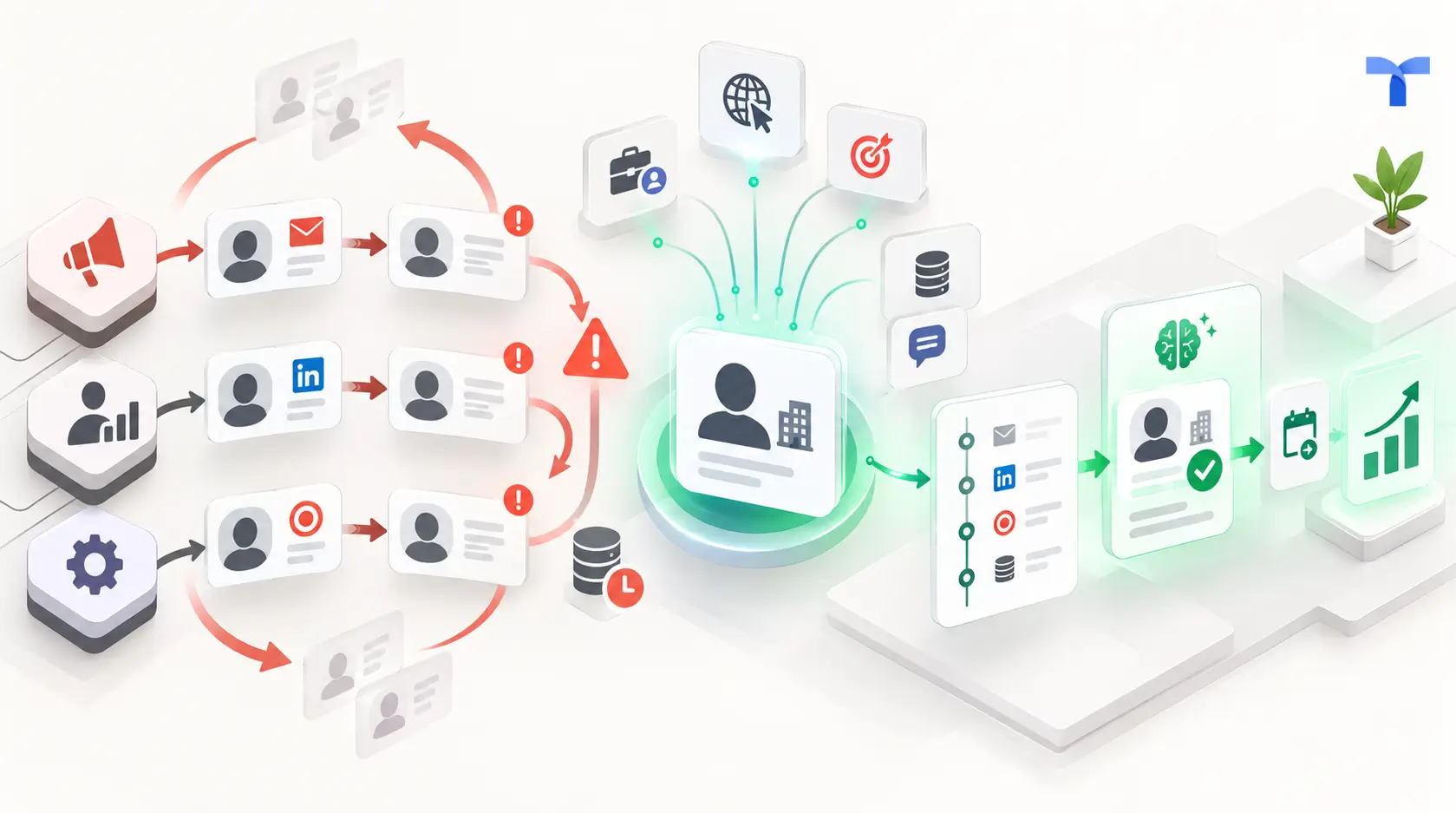
To improve your lead generation results, it is important to avoid some common mistakes including targeting the wrong audience, that can inevitably waste budget on unqualified prospects. Similarly, sending generic messages that fails to capture the interest of specific business decision-makers. A third major pitfall is failing to follow up or relying solely on single outreach channels.
A successful B2B engagement requires a consistent, multi-channel approach. Finally, using outdated data can severely compromise efforts, leading to poor deliverability rates and low conversion metrics. By proactively addressing these pitfalls, organizations can establish a more efficient and effective lead generation system.
The Future of B2B Lead Generation
The challenges mentioned in the previous section can be avoided by using artificial-intelligence based platforms. The future is intelligent and automated. AI-lead generation tools will write and optimize outreach in real-time using predictive intent signals to find high-likelihood buyers. This will enable hyper-personalization and effortless management of long B2B cycles.
How Tapistro Simplifies Modern Lead Generation
Instead of scrambling with manual spreadsheets and documents, you can also get on AI lead generation software like Tapistro to simplify the entire process.
Tapistro uses its capabilities to:
- Identify decision-makers.
- Find companies matching your ICP.
- Gather verified data.
- Prioritize leads based on intent.
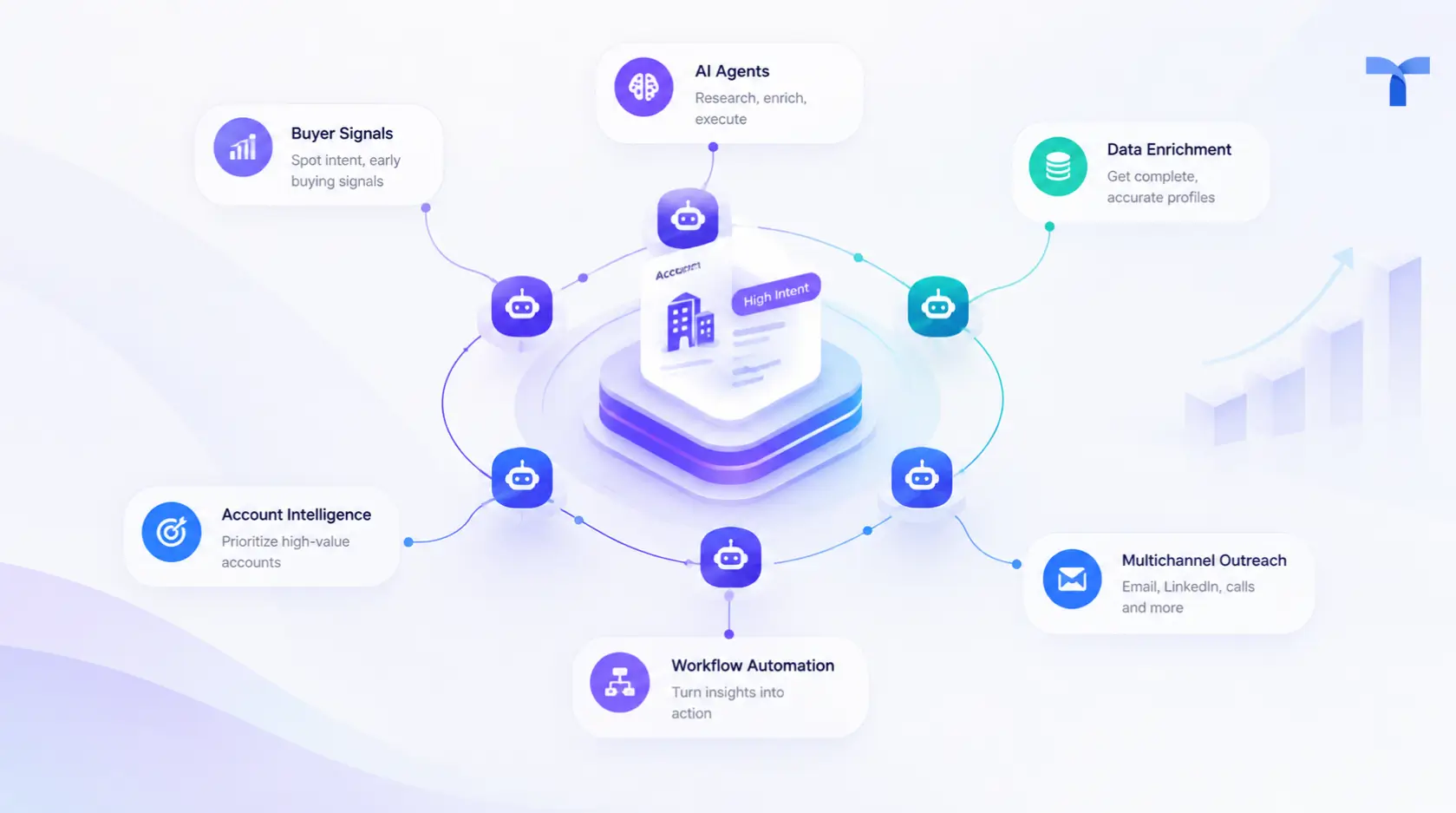
The platform supports multi-channel outreach (email and LinkedIn) in a single dashboard, automates follow-ups, and provides engagement insights, allowing teams to focus on meaningful conversations instead of manual tasks.
Conclusion
A successful B2B lead generation strategy is disciplined and data-driven, and it should consistently attract and qualify the right buyers. Precision, automation, and intent-led execution converts it into a steady and growing stream of revenue.
To learn more about how AI Lead Generation software can help you generate better leads at scale, feel free to reach out to the Tapistro Team Here.


.webp)